
Understanding intermodal freight transport
Definition and core concept
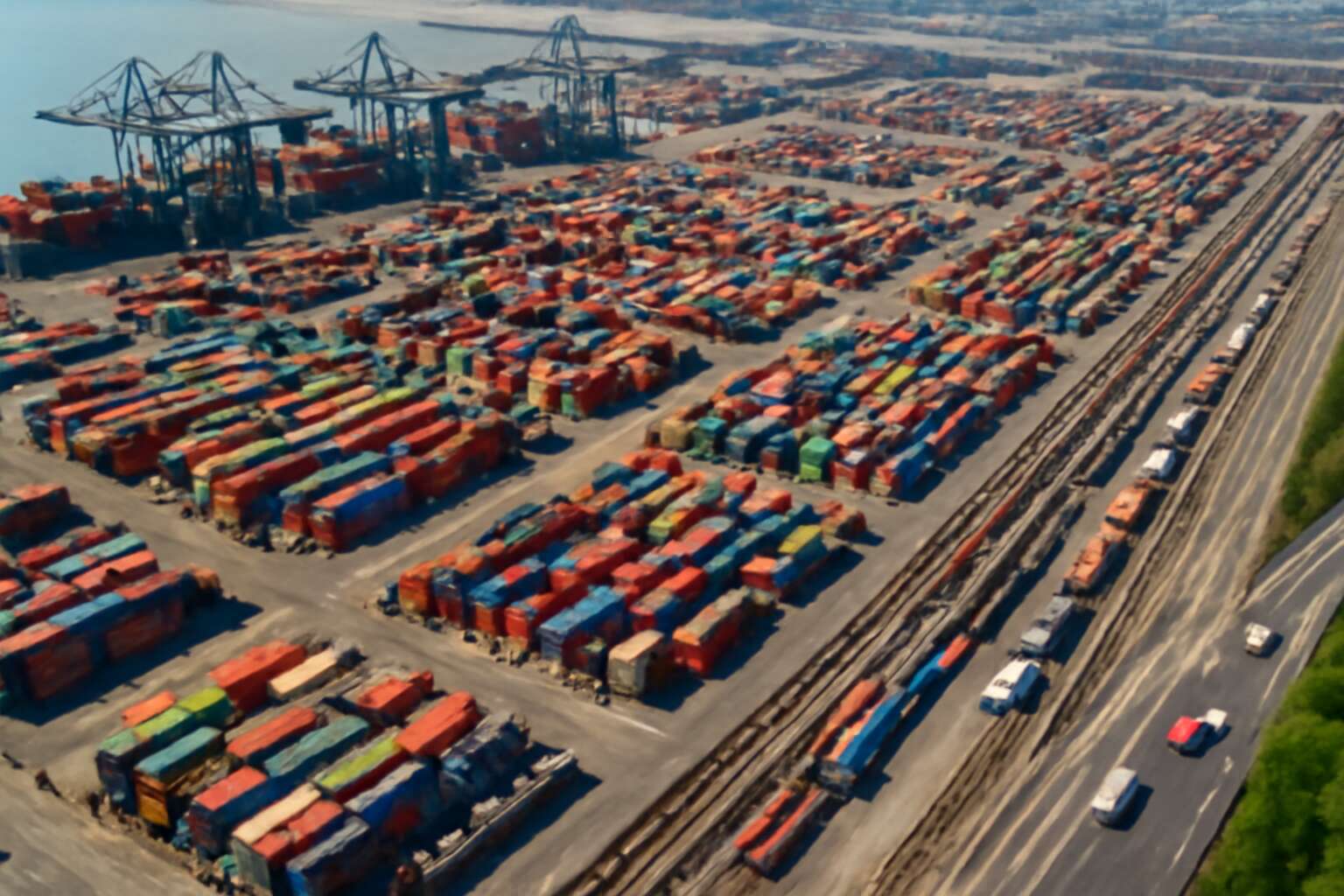
“Movement is the business of progress,” a seasoned SA freight executive reminds us. What is intermodal freight transport? It is the orchestration of two or more transport modes—road, rail, sea, and sometimes air—under a single logistics plan, moving goods from origin to destination with streamlined handoffs and a shared pulse of scheduling.
The core concept centers on containerization: standardized boxes that can ride trains, trucks, and ships without unpacking. Handoffs occur at purpose-built terminals where data and timing align.
- Standardized containers
- Coordinated handoffs
- Integrated rail and road networks
In practice, this creates resilience and efficiency, especially in South Africa where connections between inland producers and coastal hubs like Durban or Cape Town shape reliable, extended reach. In short, what is intermodal freight transport but a system that stitches modes into one rhythm.
How intermodal differs from single-mode transport
For readers asking what is intermodal freight transport, it’s the choreography of road, rail, and sea that keeps goods moving with fewer delays and steadier schedules. Instead of a single truck or ship making every link, an orchestrated plan stitches each leg together through containers that travel as one unit. It’s a system that shines in South Africa, where inland producers—farmers, artisans, and small businesses—reach coastal hubs like Durban and Cape Town with renewed reliability.
Intermodal differs from single-mode transport in two essential ways:
- Coordinated handoffs and shared scheduling across modes
- Containerized cargo that travels from truck to train to ship
- Integrated networks that reduce dwell time and improve predictability
Key terms and acronyms
If logistics were a symphony, intermodal freight transport is the conductor. Understanding what is intermodal freight transport means recognizing how containers travel on road, rail, and sea as a single choreography that keeps goods moving with fewer delays. In South Africa, this plays nicely between inland producers and coastal hubs, turning tricky routes into reliable, repeatable rhythms.
Key terms and acronyms to know as you navigate the landscape of intermodal freight transport include:
- TEU and FEU (Twenty- and Forty-foot Equivalent Units)
- ISO intermodal containers
- intermodal terminal
- transshipment
- cross-docking
Mastering these terms isn’t a homework exercise; it’s practical know-how that helps you forecast capacity, plan handoffs, and tighten schedules across corridors. In South Africa, that clarity translates into fewer surprises at the dock and smoother movement toward Durban and Cape Town.
How intermodal freight works
Origin to intermodal terminal
Shippers are discovering that intermodal networks deliver speed and poise: in many corridors, one in three managers reports faster, more predictable delivery when cargo hops between trucks, rails, and ships. In the ledger of logistics, what is intermodal freight transport but a choreography that starts at the origin and ends with a seamless handoff to the final mile.
- Origin to terminal: goods are packed into standard containers at the supplier, minimising handling and damage.
- Drayage to the intermodal terminal: trucks move containers to the terminal, where scheduling matters as much as steel.
- Transfer to rail or sea: containers shift to railcars for long-haul legs or onto ships for coastal routes.
- Destination terminal to final mile: at the destination, containers are swapped back to trucks and delivered to the consignee.
In South Africa, Durban and inland corridors anchor these networks, linking ports to the heartland while easing road congestion. The efficiency rests on standardised containers, real-time visibility, and disciplined transfer routines.
Rail and ship integration
In corridors where rail and ship share the stage, supply chains hum with purpose. One in three managers reports faster, more predictable delivery when cargo hops between trucks, rails, and ships. So what is intermodal freight transport? It’s the elegant choreography that begins at origin and ends with a seamless handoff to the final mile.
At the heart of rail and ship integration lies standardized containers and disciplined transfer routines. Durban’s ports and inland corridors showcase the system: containers move from the supplier to the intermodal terminal, then ride the rails or ride the ships, with real-time visibility guiding every swing of the crane. The aim is to shrink handling, reduce damage, and smooth the long-haul leg across South Africa’s geography.
- Terminal to rail or vessel handoffs
- Long-haul legs by rail or ship
- Final-mile delivery to the consignee
Handling and transfer processes
One in three managers reports faster, more predictable delivery when cargo hops between trucks, rails, and ships. So what is intermodal freight transport? It is the elegant choreography that begins at origin and ends with a seamless handoff to the final mile.
Handling and transfer unfold in the shadowed yards of intermodal terminals: containers are weighed, secured, and swung by gantry cranes onto rail wagons or vessel holds. In South Africa’s corridors, real-time visibility lights every swing—from gate to carriage—shrinking handling and guarding the cargo against the ravages of time.
- Guarded transfer between terminal and mode via standardized interfaces and trained operators
- Container movement optimized for the long-haul leg by rail or ship
- Coordinated sequencing that aligns the final-mile delivery to the consignee
Documentation and tracking
In the orchestration of what is intermodal freight transport, the paperwork is the metronome. Documentation travels with the cargo—booking confirmations, waybills, loading manifests, and export declarations—writing the tempo across every leg. In South Africa’s corridors, cloud-backed systems bind the yard, rail, ship, and road, turning delays into data points and uncertainty into signal.
Tracking becomes the living map, where container IDs, RFID tags, GPS updates, and electronic data interchange illuminate the journey from gate to consignee. Real-time visibility across ports like Durban and inland hubs lets operators sense the rhythm of the supply chain with clarity.
- Booking and waybill alignment across modes
- Digital container tracking with IDs
- End-to-end status in real time
Benefits and challenges of intermodal freight
Cost efficiency and fuel savings
In South Africa’s freight landscape, efficiency isn’t a luxury—it’s survival. A telling stat puts fuel savings around 20% when freight travels by rail and sea rather than road alone. what is intermodal freight transport? It’s the elegant choreography of rail, ship, and road that moves a single cargo with multiple modes, yet a single bill of lading and a seamless handoff.
On cost efficiency, intermodal networks optimize each leg for the best rate per tonne-kilometre, damping peak costs. The fuel savings tie to route choice, load, and fewer road miles. In practice, I’ve seen these mechanics translate into steadier schedules and happier customers.
- Lower variable costs per tonne-km
- Improved schedule reliability
- Reduced road wear and carbon footprint
Yet challenges persist: terminal dwell times, transhipment coordination, and upfront equipment costs. In SA, port congestion and infrastructure gaps lengthen timelines; the choreography needs sharp data visibility to avoid missteps.
Risk and reliability considerations
In plain terms, it’s the orchestrated dance of rail, ship, and road — moving a single cargo on one bill of lading. what is intermodal freight transport? A practical answer sits between efficiency and risk, merging legs to optimize flow while dodging road-only bottlenecks.
- Greater route flexibility to bypass chokepoints across SA corridors
- Lower emissions and quieter nights with rail and sea-dominated legs
- Smarter asset utilization, spreading capital costs over more shipments
Challenges persist: terminal dwell times, transhipment coordination, and upfront equipment costs; in SA, port congestion and infrastructure gaps lengthen timelines. The choreography needs sharp data visibility to avoid missteps.
Speed and transit times
“Speed is the operating system,” a veteran freight forwarder says. What is intermodal freight transport? It’s a choreography of rail, ship, and road that trims transit times by routing busy legs onto fixed schedules. In South Africa, corridors gain cadence when terminals coordinate arrivals and departures with precision. I’ve seen routes that cut days to hours when the rhythm clicks.
Speed and transit times hinge on terminal discipline and transfer efficiency. The system shines when legs align:
- Faster, more predictable transit across multiple legs
- Reduced exposure to road bottlenecks and weather disruption
Yet challenges persist: terminal dwell times, transshipment coordination, and upfront equipment costs; in SA, port congestion and infrastructure gaps lengthen timelines. Sharp data visibility is essential to keep the rhythm—how else can we answer what is intermodal freight transport with clarity?
Environmental impact
In SA supply chains, the question what is intermodal freight transport is answered by the choreography of rail, ship, and road that trims transit times by routing busy legs onto fixed schedules. A single intermodal leg can replace dozens of trucks and trim emissions. Terminals gain cadence when arrivals and departures align, turning complexity into a predictable rhythm. It’s resilience in motion!
Benefits and environmental impact come together in practice:
- Faster, more predictable transit across multiple legs
- Reduced exposure to road bottlenecks and weather disruption
- Lower energy use per tonne-km and cleaner operations
Yet challenges linger: terminal dwell times, transshipment coordination, upfront equipment costs, and in SA, port congestion and infrastructure gaps lengthen timelines. The environmental upside grows when rail and coastal routes displace truck miles, delivering measurable cuts in fuel burn and emissions.
Intermodal modes and routes
Common modes used in intermodal transport
Across South Africa, what is intermodal freight transport? It’s moving goods with multiple modes—road, rail, and sea—under one plan, with a single management chain. This approach cuts handling and dwell times and can shorten total transit, especially where terminal capacity is well coordinated. The gains show up in reliability and predictability for mining, manufacturing, and retail cargo. Impressive gains in reliability and predictability are evident!
Common modes and routes include:
- Road movements to inland terminals
- Rail corridors linking inland hubs to coastal ports
- Short-sea shipping between ports
In South Africa, Durban and Richards Bay serve as major sea gateways, while inland corridors to Johannesburg and Pretoria illustrate the backbone of intermodal routes. Success hinges on terminal efficiency, rail cadence, and warehousing—transfers become more seamless when these elements align.
Routing patterns and hub-and-spoke networks
Routing patterns in intermodal networks resemble a well-rehearsed dance—efficient yet confident. What patterns emerge? Hub-and-spoke networks concentrate traffic at major inland gateways, minimizing touches and dwell times, while preserving flexibility for peak flows. Backups dwindle when cargo can pivot between rail cadence and road feeders. I like to think of it as a single plan that choreographs multiple modes under one umbrella, and so you know what is intermodal freight transport when you see it in action.
Routing patterns also adapt to geography and capacity.
- Hub-and-spoke gateways that connect regional origins to coastal transshipment points
- Rail corridors linking inland hubs to ports for predictable transit windows
- Short-sea routes that stitch port pairs with optimized cadence
When these elements align—terminal velocity, reliable rail cadence, and responsive warehousing—the intermodal promise becomes tangible!
Cross-border and regulatory considerations
In the world of freight, what is intermodal freight transport? It’s a choreography of rails, roads, and seas that plays out across real landscapes and real time. I’ve watched corridors braid inland hubs to coastal gateways, with road feeders stitching hinterlands to terminals and ships providing cadence along coastlines. For South Africa, the most active routes thread through Maputo and Nacala toward Mozambique, and the Trans-Kalahari corridor toward Botswana and Namibia—proof that reliability and flexibility trump any single mode.
Here are cross-border regulatory considerations that shape this choreography:
- Customs clearance harmonisation and pre-clearance agreements across SADC borders
- Vehicle and container standards alignment to ease inland transit
- Digital data exchange for tracking, permits and safety certificates
In short, what is intermodal freight transport? It is this deliberate choreography across borders and modes, a balance of reliability, flexibility, and human judgment that keeps goods moving through South Africa’s corridors.
Planning, risks, and best practices
Carrier partnerships and service levels
Across South Africa’s logistics landscape, intermodal shipments can trim idle time by up to 25%. Planning for intermodal shipments means mapping transfer windows, terminal capacity, and reliable last-mile staging. Risks lurk in weather, equipment gaps, port congestion, and regulatory quirks. Understanding what is intermodal freight transport helps planners compare routes that blend rail or sea legs with road, trading speed for efficiency.
- Secure clear transfer points and handover timing
- Lock in capacity with predictable lead times
- Align documentation and customs in advance
- Build contingency plans for weather and delays
Carrier partnerships and service levels drive consistency. In South Africa, choosing carriers with open performance dashboards, shared risk, and proactive communication keeps corridors resilient! A well-crafted SLA translates into reliable transit times, predictable handoffs, and a calmer supply chain. Collaboration on capacity planning and real-time status updates seals the deal.
Documentation and compliance
Across South Africa’s logistics landscape, intermodal shipments can trim idle time by up to 25%. Planning intermodal moves in South Africa hinges on transparent transfer windows, terminal capacity, and reliable last-mile staging. What is intermodal freight transport? It’s the careful blend of rail or sea legs with road legs to cut idle time and improve predictability.
Risks lurk in weather swings, equipment gaps, port congestion, and regulatory quirks. A single disruption ripples through the network, turning promised lead times into guesswork. In SA, this means buffers and real-time status shared with partners to keep the chain intact.
Documentation and compliance must be front-loaded. Digital pre-clearance, standardized waybills, and accurate manifests trim delays. Align with customs in advance; maintain auditable records; keep contingency plans, and ensure everyone knows transfer timing.
- Standardize digital documents in real time
- Pre-clear customs; align transit paperwork
- Build contingency buffers for delays
Technology and visibility tools
In South Africa, smart planning converts logistic noise into measurable certainty. A well-choreographed intermodal plan can trim idle time by a quarter across crowded corridors. When you ask what is intermodal freight transport, you’re exploring how rail or ship legs paired with road legs compress schedules into predictability and resilience.
Risks—weather swings, equipment gaps, port bottlenecks, and regulatory quirks—linger like fog on the map. Buffers matter, and real-time status sharing with partners keeps the chain aligned when a disruption looms. Digital pre-clearance, standardized manifests, and auditable transfer timing become the ballast that steadies the voyage.
Technology and visibility tools are not luxuries; they are the operating system of intermodal success.
- Real-time tracking dashboards and event alerts
- Integrated TMS and EDI for fast pre-clearance
- Transfer-window optimization and contingency triggers
Risk management and contingency planning
Planning for success begins with clarity about what is intermodal freight transport—it’s the art of stitching rail or ship legs with road legs into one predictable timetable. In South Africa’s busy corridors, that orchestration trims idle time and cushions the curveballs that weather or regulation throws at us.
Risk management and contingency planning keep the chain intact when disruptions loom. Build buffers, define quick reroute options, and insist on real-time status sharing with partners. Pre-clearance and auditable transfer timing become the ballast that steadies the voyage.
- Dynamic buffer sizing for seasonal demand
- Joint contingency triggers with carriers and terminals
- Transfer-window optimization and event-driven recovery plans
With these practices, planning an intermodal move stops being a roll of the dice and starts resembling a well-rehearsed routine—efficient, resilient, and a little wry.
Global trends and market outlook
Growth drivers and market demand
Global freight networks pulse with momentum, and South Africa stands at a crossroads where coastal ports meet inland corridors. In this evolving landscape, intermodal strategies unlock reliability and speed, turning ordinary shipments into rhythmic journeys. For readers curious about what is intermodal freight transport, the answer sits in the choreography: rail and sea hand off cargo with minimal friction, while road legs complete the final mile—together, they compose a seamless supply chain symphony.
Global demand is leaning toward flexibility, reliability, and lower emissions, a trio that intermodal networks deliver at scale. Growth drivers and market demand hinge on three forces:
- Rising global trade volumes and regional corridor expansion
- Urban freight growth and optimized handoffs between modes
- Policy pushes for decarbonization and fuel efficiency rewarding modal shifts
Across South Africa, port upgrades and inland corridor investments sharpen the outlook, while digital visibility and cross-border coordination broaden the market for shippers.
Infrastructure investments and bottlenecks
Global freight volumes have risen roughly 4% annually over the past five years. For readers curious about the spine of modern logistics, what is intermodal freight transport? It’s the disciplined handoff of cargo between rail and sea, with road finishing the final mile, stitched into one reliable journey. In South Africa, port upgrades in Durban and Cape Town, alongside inland corridor investments, turn coastal strength into inland reach, widening access for exporters and communities alike.
Infrastructure investments are the lifeblood of this system: deeper berths, better rail paths, smarter terminals that cut dwell times. Yet bottlenecks persist: peak congestion, last-mile drayage volatility, and cross-border paperwork. In SA and the region, digital visibility tools and smoother coordination are changing the game, helping shippers gauge reliability across hubs. When these pieces align, intermodal transport becomes a resilient backbone for growing trade.
Policy developments and regulations
Global freight volumes keep climbing at about 4% per year, a stubborn trend that underpins everything we trade. The question what is intermodal freight transport has shifted from a textbook definition to a strategic loom weaving rails, ships, and final-mile roads into one reliable journey. In South Africa and the region, marketers and manufacturers alike feel that coil of efficiency tighten as corridors extend inland reach and markets breathe easier.
Policy developments are catching up with practice: emissions mandates, digital borders, and harmonization across SADC corridors. Regulators push for data sharing, standardised documentation, and single-window customs. This creates a legible, frictionless flow that reduces dwell times and compliance risk.
- Digital border processes and single-window systems
- Emission and fuel standards shaping mode choices
- Harmonized cross-border cargo documentation
As policy aligns with markets, intermodal transport remains the quiet engine of resilience, ready to absorb shocks and chase margin in equal measure.



0 Comments