
Understanding Freight and Transport
Definition of Freight and Transport
In the bustling world of commerce, understanding the core concepts of freight and transport is essential. These terms form the backbone of supply chains, connecting producers to consumers across vast distances. Freight refers to the goods or commodities that are moved from one location to another, whether by land, sea, or air. Transport, on the other hand, encompasses the entire process of planning, executing, and managing the movement of these goods.
For businesses and individuals alike, grasping the distinction between freight and transport offers clarity in logistics planning. Effective freight and transport solutions ensure timely delivery, reduce costs, and enhance customer satisfaction. In South Africa’s diverse landscape, where rural communities rely heavily on reliable freight and transport networks, this understanding becomes even more vital.
- Road freight
- Sea freight
- Air freight
Each mode plays a unique role, with tailored strategies to meet the specific demands of different commodities. Whether it’s fresh produce from rural farms or essential industrial supplies, freight and transport are the lifelines of economic vitality.
Types of Freight Transport
When it comes to freight and transport, the choices are as diverse as South Africa’s landscapes—from sprawling urban jungles to remote rural retreats. Did you know that road freight accounts for over 75% of the country’s freight and transport activities? That’s because nothing beats the flexibility of trucks rolling on highways, weaving through city streets, or conquering rugged terrains. Road freight is the backbone of local logistics, perfect for everything from fresh produce to industrial equipment.
Sea freight is another heavyweight, especially crucial for international trade. It’s cost-effective for bulk goods like minerals, agricultural products, or large machinery. Meanwhile, air freight, although more expensive, is the go-to for time-sensitive deliveries such as perishable goods or high-value electronics. Each mode of freight transport plays a unique role, tailored to meet specific demands and ensure vital supply chains stay intact. Understanding these modes of freight and transport allows businesses to optimize their logistics, cut costs, and keep the wheels turning smoothly in a competitive market.
Importance of Freight and Transport in Global Supply Chains
In the intricate web of global supply chains, freight and transport serve as the pulsating arteries that sustain economic vitality. Without this seamless movement of goods, markets would grind to a halt, and industries would falter. Freight and transport are not merely logistical functions—they embody the very essence of connectivity that links producers, consumers, and markets across borders and continents.
Understanding the critical role of freight and transport reveals their influence far beyond the warehouse or port. They shape the flow of essentials—from everyday commodities to luxury items—ensuring availability and affordability. In South Africa, where diverse landscapes challenge logistical planning, efficient freight and transport systems are vital for maintaining competitive advantage and fostering economic resilience.
The importance of freight and transport extends into social and cultural realms as well. They enable the movement of cultural goods, medical supplies, and technology, fostering societal progress. As supply chains grow more complex, the sophistication of freight and transport networks becomes a reflection of national development and global interconnectedness. Truly, freight and transport are the backbone of modern civilization, connecting distant corners of the world into a cohesive, thriving ecosystem.
Modes of Freight Transport
Road Transportation
Road transportation remains the backbone of freight and transport networks, especially across vast landscapes like South Africa where infrastructure connects urban hubs to remote regions. With over 80% of freight moving via roads, this mode offers unmatched flexibility and door-to-door service that other modes cannot easily replicate. The ability to adapt routes and schedules makes road freight an indispensable element of modern supply chains.
Furthermore, advances in logistics technology and vehicle design have elevated road freight’s efficiency, safety, and environmental footprint. From heavy-duty trucks hauling bulk commodities to smaller delivery vans supporting last-mile logistics, the diversity within road transportation is staggering. When considering freight and transport, it’s essential to recognize how this mode sustains both local economies and international trade corridors.
- Flexibility in routing and scheduling
- Cost-effective for short to medium distances
- High accessibility to remote and urban areas
Rail Transportation
Rail transportation stands as a steadfast pillar within the freight and transport sector, especially in regions like South Africa where expansive landscapes and rugged terrains challenge logistical efficiency. With its ability to move large volumes of cargo across vast distances, rail offers an economical and environmentally conscious alternative to road freight. The rhythmic clatter of trains symbolizes a reliable backbone that sustains both local industries and international trade corridors.
Unlike road transport, which excels in flexibility, rail provides consistency and capacity, making it ideal for bulk commodities such as minerals, agricultural products, and manufactured goods.
- In South Africa, the extensive rail network links mines to ports, enabling seamless export operations.
This mode’s high loading efficiency and lower carbon footprint underscore its vital role in sustainable freight and transport strategies. As global supply chains evolve, rail continues to adapt, integrating innovative technologies that enhance safety, speed, and ecological responsibility. Truly, rail transportation remains an indispensable element shaping the future of freight and transport in South Africa and beyond.
Air Transportation
When it comes to rapid, high-altitude, or long-distance freight and transport, air transportation is the jet-setting champion. It’s the go-to mode for delivering time-sensitive goods, especially when speed is of the essence—think next-day delivery of high-tech equipment or urgent medical supplies. With its ability to connect remote regions to global markets in a matter of hours, air freight isn’t just fast; it’s a game-changer for modern supply chains.
South Africa’s bustling airports, like OR Tambo International, serve as vital hubs for air freight, seamlessly linking local industries to international markets. This mode excels in transporting smaller, high-value, or perishable items that need swift handling. Plus, with advances in aircraft technology and logistical innovations, air transportation continues to become more eco-friendly and efficient—a crucial factor in sustainable freight and transport strategies.
In the world of freight and transport, choosing the right mode can make or break a supply chain. For urgent shipments, air freight offers unmatched speed, but it’s worth noting that it also comes with higher costs. Here’s a quick rundown of what makes air transportation indispensable:
- Speed and efficiency for urgent deliveries
- Ideal for perishable goods and high-value items
- Global reach, connecting remote regions with major markets
- Enhanced tracking and security measures
Maritime Transportation
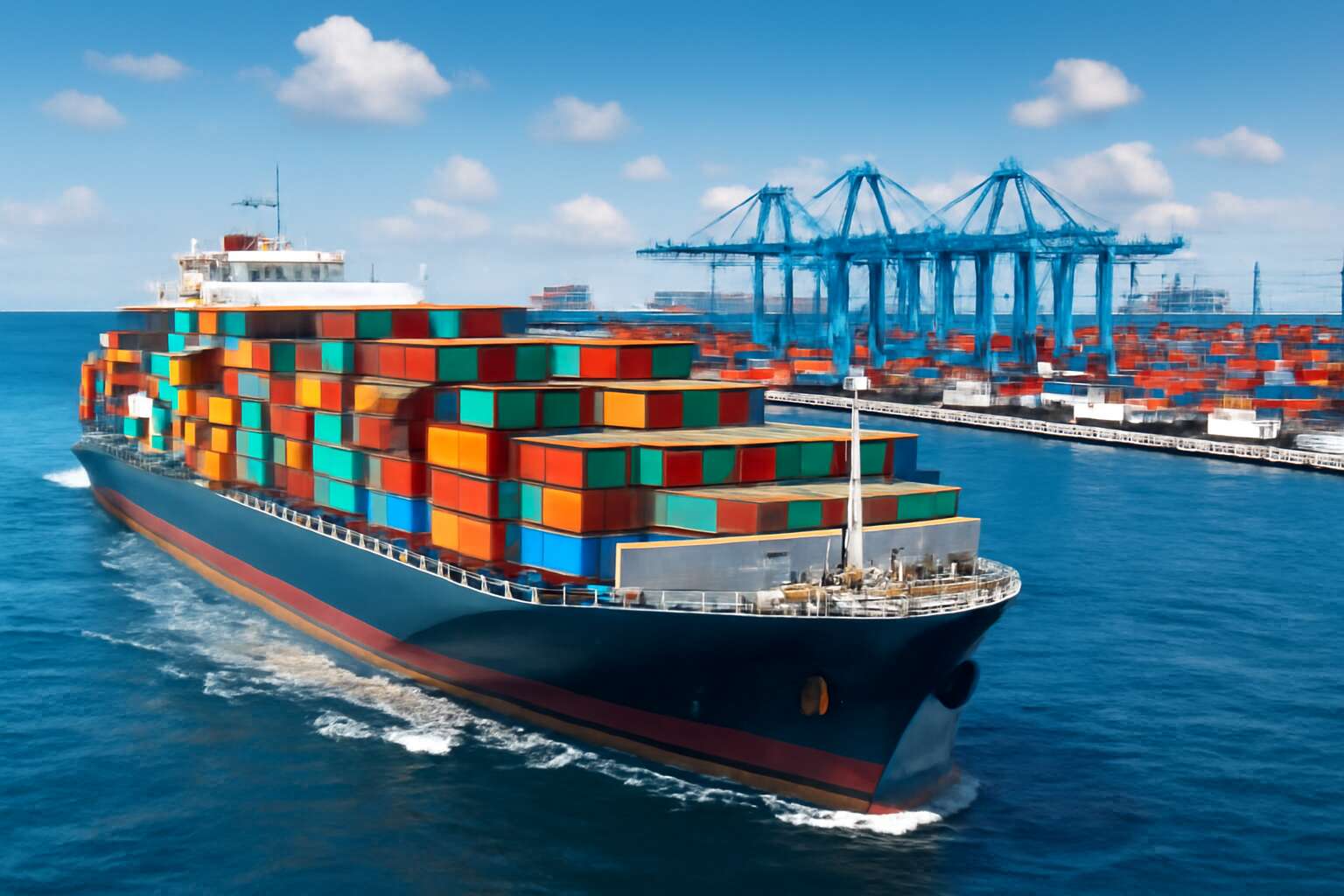
Maritime transportation remains the silent backbone of global freight and transport, especially for countries like South Africa, where the vast coastline beckons ships to carry the weight of international trade. It’s a mode that embodies patience and resilience—a slow dance with the vast, unpredictable ocean that demands both respect and mastery. Unlike air freight, maritime transport is often the workhorse, moving enormous volumes of goods across continents with a relatively lower cost, yet it requires meticulous planning and unwavering precision.
South Africa’s busy ports, such as Durban and Cape Town, stand as gateways to the world, facilitating the movement of bulk commodities, containers, and raw materials vital to the nation’s economy. The importance of maritime freight and transport lies in its ability to connect local industries to global markets, often serving as the foundation of supply chains that sustain entire economies. It’s a realm where efficiency, environmental considerations, and logistical ingenuity intertwine, shaping the future of freight in an increasingly interconnected world.
- Heavy cargo handling
- Cost-effective bulk shipping
- Global connectivity for remote regions
- Environmental sustainability initiatives
Key Factors in Freight and Transport Logistics
Freight Cost Management
In the intricate dance of freight and transport, managing costs effectively is not just a necessity—it’s an art form. South Africa’s vast landscapes and bustling ports demand a nuanced approach to freight cost management, where every rand must work tirelessly to ensure seamless delivery. A key factor is route optimization, which reduces fuel consumption and transit time, ultimately slashing expenses and boosting efficiency.
Another vital element is choosing the right carrier—whether it’s road, rail, air, or maritime—each offers unique advantages that can significantly influence overall freight and transport costs. For example, leveraging bulk discounts or negotiating long-term contracts can unlock substantial savings. Additionally, incorporating advanced tracking technology enhances transparency and minimizes delays, creating a smoother supply chain experience.
- Accurate freight volume forecasting
- Strategic carrier selection
- Effective inventory management
By focusing on these key factors, businesses can master the delicate balance of controlling freight costs while maintaining reliability in their supply chain—because in the world of freight and transport, efficiency is the true currency of success!
Scheduling and Routing Optimization
In the labyrinthine corridors of freight and transport logistics, the mastery of scheduling and routing optimization can transform chaos into harmony. Every decision made in route planning echoes through the entire supply chain, impacting costs, delivery times, and customer satisfaction. South Africa’s diverse terrain, from sprawling deserts to coastal hubs, demands a meticulous approach—one that anticipates obstacles before they manifest and leverages technology to carve out the most efficient pathways.
Strategic scheduling hinges on a delicate understanding of demand fluctuations, vehicle capacity, and real-time traffic conditions. Employing sophisticated route optimization algorithms isn’t just a luxury; it’s a necessity. These tools analyze variables such as load distribution and transit windows, offering a granular view that empowers decision-makers to minimize transit times and fuel expenditure. For freight and transport companies, this means the difference between a missed deadline and a seamless delivery cycle.
- Accurate freight volume forecasting ensures routes are neither overburdened nor underutilized, maintaining optimal flow.
- Dynamic routing adapts to unforeseen disruptions, such as infrastructure delays or weather anomalies, keeping the supply chain resilient.
- Prioritizing strategic carrier selection aligns transportation modes with specific freight requirements, maximizing efficiency and cost-effectiveness.
In this intricate ballet, every element—be it scheduling precision or route refinement—serves as a vital cog in the machinery of freight and transport. When orchestrated with care, these factors elevate logistical operations from mere necessity to an art form, ensuring that each delivery resonates with reliability and ingenuity.
Cargo Safety and Security
In the intricate dance of freight and transport, cargo safety and security are paramount—yet often underestimated in their complexity. Protecting valuable goods from theft, damage, or loss isn’t merely a matter of locking doors; it demands a comprehensive strategy that anticipates vulnerabilities at every juncture.
South Africa’s diverse terrain and bustling ports amplify the importance of meticulous security protocols. From secure container handling at maritime hubs to GPS tracking on road fleets, every element must be calibrated to safeguard cargo effectively. Implementing robust security measures not only preserves the integrity of freight but also enhances trust with clients—an invaluable commodity in this fiercely competitive landscape.
To illustrate, many freight and transport companies now employ layered security approaches, including:
- Real-time tracking systems to monitor movement and prevent hijacking
- Strict access controls at warehouses and transit points
- Regular staff training on security protocols and incident response
Such measures underscore the necessity of vigilance in this sector—because when it comes to freight and transport, a single breach can ripple through the entire supply chain with costly repercussions. Ensuring cargo safety and security isn’t just good practice; it’s the backbone of a resilient, reputable logistics operation.
Regulations and Compliance
In the labyrinthine world of freight and transport, navigating the maze of regulations and compliance is akin to mastering an ancient spell—each incantation must be precise, every gesture deliberate. South Africa’s vibrant trade corridors demand a nuanced understanding of the legal tapestry that governs freight and transport activities. From customs documentation to safety standards, compliance isn’t merely a bureaucratic hurdle; it is the enchanted shield safeguarding valuable cargo from the perils of the unknown.
Understanding key factors such as licensing requirements, import and export restrictions, and environmental standards is essential for a seamless flow of goods. In fact, adhering to these regulations can be the difference between a shipment that arrives on time and one lost in the shadows of legal entanglements. To simplify this complex dance, many companies follow a structured approach:
- Staying abreast of evolving legislation through ongoing training
- Maintaining meticulous records for all transactions
- Engaging with customs brokers and compliance experts to navigate intricate procedures
Ultimately, mastery of these regulatory currents ensures that freight and transport operations not only move efficiently but also stand resilient against the chaos of non-compliance, forging a path through the tumultuous landscape of logistics with unwavering confidence.
Tracking and Technology Integration
In the fast-paced world of freight and transport, staying ahead of the technological curve isn’t just a luxury—it’s a necessity. With real-time tracking systems, logistics managers can now monitor shipments with an almost paranoid level of precision, reducing delays and surprises that used to be commonplace. The secret sauce? Advanced freight and transport tracking tools that turn chaos into clarity and uncertainty into strategic advantage.
Key factors in this digital revolution include integrating GPS-enabled devices, cloud-based management platforms, and IoT sensors that keep tabs on everything from temperature-sensitive cargo to vehicle health. These innovations aren’t just about efficiency; they’re about resilience—ensuring goods reach their destination no matter what chaos the world throws at them. For instance, a simple
- automated alerts
- digital documentation
- predictive analytics
can make all the difference in avoiding costly mishaps or compliance breaches.
In essence, seamless technology integration in freight and transport doesn’t merely streamline operations—it rewires the entire supply chain, transforming it into a high-octane, lean machine ready to conquer the unpredictable terrain of South Africa’s trade corridors. The result? A smarter, safer, and more reliable freight and transport network that keeps businesses moving confidently forward—no matter the obstacles.
Innovations and Trends in Freight and Transport
Digital Freight Platforms
Innovations in freight and transport are transforming the way goods move across South Africa and beyond, unlocking new efficiencies and resilience. Digital freight platforms are at the forefront of this revolution, harnessing cutting-edge technology to streamline operations and foster transparency. These platforms leverage real-time data, artificial intelligence, and machine learning to optimize routes, reduce costs, and enhance cargo security.
One remarkable trend is the rise of integrated logistics ecosystems, where freight and transport companies collaborate seamlessly through shared digital networks. This not only accelerates delivery times but also provides a more sustainable approach to freight management. For example, advanced tracking systems now give shippers instant visibility into cargo status, fostering trust and accountability.
- Automation of scheduling and routing
- Enhanced cargo security with biometric verification
- Implementation of blockchain for transparent documentation
Such innovations are shaping a future where freight and transport are more reliable, efficient, and environmentally conscious—qualities vital for connecting communities and powering economic growth across South Africa’s diverse landscape. The evolution of digital freight platforms embodies the resilience and ingenuity of the industry, promising a brighter, more connected tomorrow.
Sustainable and Green Logistics
In a world racing towards sustainability, the freight and transport industry in South Africa is embracing revolutionary shifts that marry efficiency with environmental consciousness. Green logistics, driven by innovation, is transforming freight and transport into a force for good—reducing carbon footprints while maintaining robust supply chains. From electric trucks to solar-powered warehouses, the landscape is changing rapidly, offering a glimpse into a cleaner, smarter future.
One of the most exciting trends is the adoption of alternative fuels and renewable energy sources. Electric freight vehicles are becoming more commonplace, supported by a growing network of charging stations tailored to the needs of local operations. Simultaneously, smart routing algorithms prioritize eco-friendly pathways, reducing unnecessary emissions and fuel consumption. These advancements not only lower costs but also bolster South Africa’s commitment to sustainable development.
Furthermore, innovative practices such as the integration of blockchain for transparent documentation and real-time data analytics are enhancing accountability and reducing waste in freight and transport. As the industry evolves, it’s clear that sustainability isn’t just a trend but a vital pillar—driving efficiency, resilience, and environmental stewardship in South Africa’s dynamic logistics landscape.
Automation and Robotics in Warehousing
Automation and robotics are transforming freight and transport warehouses from dusty backwaters into high-tech hubs of efficiency. No longer are forklifts just lumbering giants; they’re now agile, AI-powered machines zipping about with precision. Robotics streamline the loading and unloading process, slashing turnaround times and reducing human error — because even robots hate a misplaced pallet!
One of the most exciting trends is the deployment of autonomous vehicles and smart conveyor systems. These innovations allow for continuous operation without the need for coffee breaks or naps. For example, automated guided vehicles (AGVs) are navigating complex warehouse layouts, optimizing storage and retrieval tasks seamlessly. This technological revolution isn’t just about speed; it’s about making freight and transport smarter, safer, and more reliable.
Here’s a quick snapshot of what’s trending in freight and transport automation:
- Implementation of AI-driven inventory management systems
- Use of drones for inventory checks and last-mile delivery
- Integration of robotic picking systems to handle high-volume orders
These advancements aren’t just sci-fi fantasies—they’re reshaping supply chains across South Africa, making freight and transport more resilient, cost-effective, and environmentally friendly. Who knew that behind the scenes, robots and automation are quietly revolutionizing the way goods get from point A to point B? It’s a brave new world, and freight and transport are leading the charge!
Use of IoT and AI for Real-Time Tracking
In the symphony of modern freight and transport, the pulse of innovation beats strongest through the veins of IoT and AI. These technologies are not mere tools but catalysts of a revolution—turning traditional logistics into a living, breathing organism that adapts and responds with uncanny agility. Real-time tracking, powered by the Internet of Things, grants supply chains a newfound clarity, revealing the journey of every shipment with pinpoint precision.
Imagine a vast network of interconnected devices—sensors embedded in containers, GPS trackers on trucks—working tirelessly to relay data in real time. This seamless flow of information transforms freight and transport into a smart ecosystem, capable of preempting delays, optimizing routes, and enhancing transparency. For example, fleet managers now harness AI algorithms to predict traffic patterns and weather disruptions, ensuring goods reach their destination on time.
One of the most compelling innovations is the deployment of IoT-enabled tracking systems. These systems enable stakeholders to monitor cargo conditions and location instantaneously, reducing theft, spoilage, and misplacement. As the landscape of freight and transport continues to evolve, embracing these advanced technologies is no longer optional but essential for resilience and efficiency. Truly, the future belongs to those who harness the power of AI and IoT—making logistics smarter, safer, and more sustainable in South Africa’s dynamic markets.
Future of Freight and Transport Industry
The future of freight and transport is unfolding at a breathtaking pace, driven by innovations that seem almost prophetic in their impact. As digital transformation accelerates, new trends are reshaping how goods move across South Africa’s vibrant markets. Autonomous vehicles, for instance, are beginning to test the waters, promising to reduce costs and increase efficiency in freight and transport logistics. Meanwhile, blockchain technology is quietly revolutionizing freight cost management and security, offering unparalleled transparency and traceability.
One of the most intriguing developments is the integration of smart sensors and data analytics into everyday operations. These advancements enable predictive maintenance, minimizing downtime and safeguarding cargo safety and security—an essential factor in a landscape fraught with risks. As the industry embraces sustainable and green logistics, electric trucks and eco-friendly shipping methods are gaining ground, aligning profit with planetary stewardship.
- Enhanced automation and robotics in warehousing streamline operations, reducing human error and increasing throughput.
- Digital freight platforms are connecting shippers and carriers more efficiently, making freight and transport more accessible and flexible than ever before.
- Artificial intelligence continues to optimize scheduling and routing, ensuring goods reach their destinations faster and cheaper.
With these innovations, the freight and transport industry is poised for a transformation that’s as profound as it is promising. For South Africa’s bustling economy, staying ahead means embracing change—because in this game, agility and foresight are everything.
Choosing the Right Freight and Transport Service Providers
Factors to Consider
Choosing the right freight and transport service providers can make or break your supply chain. In South Africa’s dynamic market, selecting a partner that aligns with your logistical needs is essential. Factors such as service reliability, industry experience, and compliance with local regulations should be at the top of your list.
Another critical aspect is the provider’s technology integration. Modern freight and transport companies leverage advanced tracking systems and digital freight platforms, ensuring transparency and real-time updates. This not only reduces delays but also enhances cargo security.
Lastly, consider the provider’s reputation for sustainability and green logistics. As environmental concerns grow, working with eco-conscious freight and transport companies can boost your brand’s reputation and support regulatory compliance. A thorough evaluation of these factors ensures your logistics operations are both efficient and resilient in a competitive landscape.
Comparing Freight Forwarders and Carriers
Choosing the perfect freight and transport service provider can feel like navigating a labyrinth, but it’s a decision that can dramatically influence your supply chain’s resilience. In South Africa’s bustling markets, where delays and disruptions are part of daily life, understanding the differences between freight forwarders and carriers is crucial. Freight forwarders act as logistical orchestrators, coordinating multiple modes of transportation and handling documentation with finesse. Carriers, on the other hand, provide the actual movement, whether by road, rail, air, or sea.
To find a partner that truly aligns with your needs, consider factors such as their industry experience, technological capabilities, and commitment to sustainability. Some providers specialize in freight and transport for specific sectors, offering tailored solutions that can save time and reduce costs. A thoughtful comparison ensures your logistics are both efficient and adaptable, ready to face South Africa’s dynamic market conditions with confidence!
Importance of Customer Service and Reliability
Choosing the right freight and transport service providers is about more than just cost—it’s about trust, reliability, and a shared commitment to your business’s success. In South Africa’s vibrant markets, where delays can mean missed opportunities and disrupted supply chains, customer service becomes a vital indicator of a provider’s true value. A dependable partner not only delivers your goods on time but also offers proactive communication and personalized support that eases your logistical worries.
Reliability in freight and transport services fosters confidence, ensuring your goods reach their destination safely and efficiently. When selecting a partner, it’s wise to consider their track record of punctuality and responsiveness. A provider with a reputation for exceptional customer service can turn a stressful process into a seamless experience, especially amid South Africa’s unpredictable market conditions.
Ultimately, the right freight and transport partner feels like an extension of your team—dedicated to your growth and committed to overcoming challenges with resilience and care. This human touch, combined with proven reliability, crafts a logistics story rooted in trust and shared success.

0 Comments