
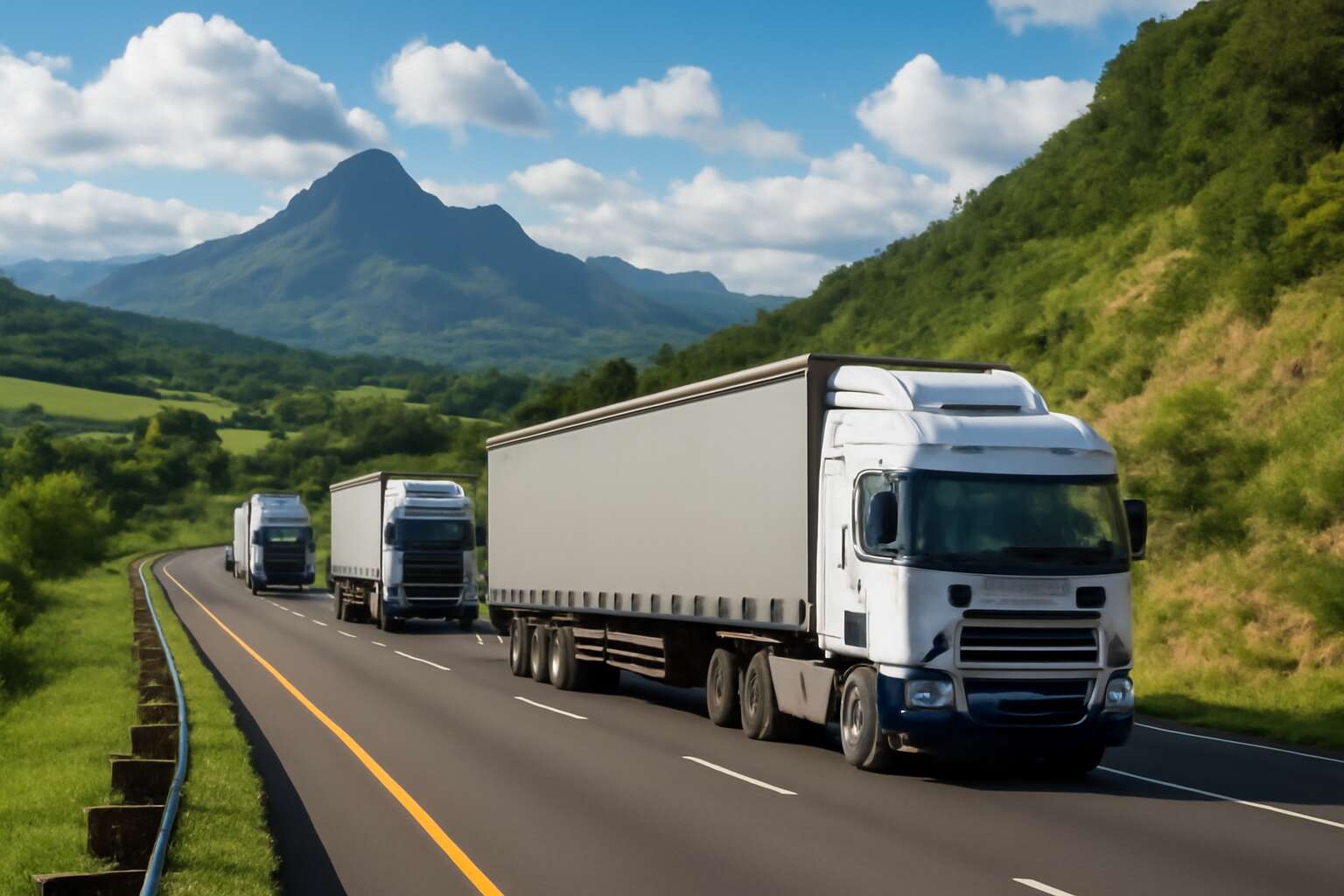
Overview of Road Freight Transport in South Africa
Market Size and Growth Trends in 2021
In 2021, the landscape of freight transport by road in South Africa revealed a resilient and dynamic industry, vital to the nation’s economic heartbeat. Despite global uncertainties, the market demonstrated steady growth, driven by the relentless demand for efficient logistics solutions across diverse sectors. The industry’s worth soared, reflecting a profound reliance on road freight to connect producers, suppliers, and consumers seamlessly. It’s as if the roads themselves pulse with the lifeblood of commerce, carrying everything from vital commodities to everyday essentials.
This expansion was underpinned by several key factors: infrastructural investments, technological advancements, and a burgeoning e-commerce sector. As a result, the freight transport by road in South Africa 2021 experienced notable growth trends, with volume increases across major corridors and regions. The industry’s resilience is further evidenced by the strategic adaptations of logistics providers who harness innovations to navigate challenges and bolster capacity. For those seeking a comprehensive view, consider these pillars of growth in the 2021 landscape:
- Enhanced infrastructure and road networks
- Increased demand for timely deliveries
- Adoption of digital tracking and fleet management systems
Such elements collectively illustrate how freight transport by road in South Africa 2021 not only sustained its momentum but also set the stage for future expansion, weaving a tapestry of commerce that is both resilient and forward-looking.
Key Players and Industry Insights
South Africa’s freight transport by road in 2021 was nothing short of a powerhouse, shaping the very fabric of the nation’s economy. Industry giants and emerging players alike navigated a landscape fraught with challenges, yet their resilience was palpable. Key players in this sector ranged from large logistics conglomerates to specialized regional carriers, each vying to optimize routes and deliver with precision. Their strategies were often driven by a need to stay ahead of the curve in a fiercely competitive environment.
Among the industry insights that stand out is the increasing reliance on technological innovation. Digital tracking systems and fleet management tools became indispensable, transforming traditional trucking into a high-tech endeavor. This evolution not only improved efficiency but also reinforced the industry’s capacity to adapt swiftly to fluctuating demands.
- Major logistics companies with extensive networks across South Africa
- Regional carriers focusing on niche markets
- Emerging startups leveraging digital solutions for faster deliveries
Such dynamics reveal a sector that is both rooted in tradition and propelled by innovation, promising an even more robust future for freight transport by road in South Africa 2021.
Role of Road Freight in South Africa’s Economy
In the vast tapestry of South Africa’s economic landscape, freight transport by road in South Africa 2021 emerges as a vital thread—an invisible force propelling commerce forward with relentless momentum. This sector acts as the heartbeat of supply chains, connecting distant corners of the nation through a web of roads that pulse with activity and purpose. With over 80% of national freight moved via road, its influence is both profound and undeniable.
Road freight transportation not only facilitates the movement of goods but also weaves together the diverse regions of South Africa, from bustling urban centers to remote rural communities. It sustains industries, fuels local economies, and supports millions of livelihoods. As the backbone of logistical operations, the role of road freight in South Africa’s economy is both strategic and indispensable.
Furthermore, the evolution of this industry is marked by a dynamic interplay of tradition and innovation. Modern freight transport by road in South Africa 2021 harnesses cutting-edge digital tracking systems and fleet management tools—transforming trucks into mobile hubs of efficiency and precision. These innovations enable faster deliveries, better route optimization, and heightened reliability—elements that are crucial in a fiercely competitive environment.
Regulatory Environment and Legislation
Transport Policies Impacting Road Freight
South Africa’s road freight sector operates within a labyrinthine web of regulatory frameworks, each designed to steer the industry towards safety and sustainability. In 2021, the regulatory environment for freight transport by road in South Africa experienced notable shifts, reflecting both governmental intentions and the complex realities faced by logistics providers. With the National Land Transport Act playing a pivotal role, the industry must navigate a mosaic of policies that aim to balance economic growth with environmental concerns.
Legislation such as the Road Traffic Management Corporation (RTMC) regulations and the National Road Traffic Act impose strict standards on vehicle safety, driver licensing, and operating hours. These rules are not mere bureaucratic hurdles—they are the backbone of a system that seeks to mitigate accidents and ensure freight transport by road in South Africa 2021 remains both efficient and safe.
- Environmental legislation targeting emissions reductions
- Vehicle licensing and permit requirements
- Standards for driver qualifications and rest periods
Impacting these policies are broader transport strategies, like the National Freight Logistics Policy, which advocates for integrated, sustainable freight corridors. Such policies underscore the importance of compliance and adaptability—traits that define the contemporary landscape of freight transport by road in South Africa 2021. Navigating this legislative maze may seem daunting, but it is the price of entry into a sector that keeps the wheels turning, quite literally, across the nation’s sprawling highways.
Licensing and Permits for Freight Transport
The regulatory environment surrounding freight transport by road in South Africa in 2021 is a labyrinth of rules and standards designed to safeguard lives and promote sustainable growth. Every truck on the highway must meet strict licensing and permit requirements, reflecting the nation’s commitment to safety and environmental responsibility. Regulations from the National Road Traffic Act and the Road Traffic Management Corporation (RTMC) are not just bureaucratic hurdles—they are vital safeguards that ensure every journey is conducted safely.
To operate legally, freight companies must navigate a series of licensing procedures, including vehicle licensing and permits that verify compliance with environmental and safety standards. These requirements help maintain a high standard of roadworthiness and driver qualification, fostering a culture of professionalism across the industry. For instance, freight transport by road in South Africa 2021 saw an increased emphasis on adhering to standards for driver rest periods, reducing fatigue and enhancing road safety.
Understanding these legislative frameworks is crucial. They are complemented by broader transport policies, like the National Freight Logistics Policy, which promotes integrated and sustainable freight corridors. Such policies emphasize the importance of compliance and adaptability, shaping the future of freight transport by road in South Africa 2021. Navigating this intricate legal landscape may seem daunting, but it remains the backbone of a resilient and safe freight industry that keeps South Africa moving forward.
Safety and Compliance Standards
South Africa’s freight transport by road in 2021 operates within a complex web of legislation that demands unwavering adherence. The regulatory environment isn’t just a bureaucratic maze; it’s the backbone of safety and sustainability on the nation’s highways. Strict standards from the National Road Traffic Act and RTMC serve as guardians of road safety, ensuring every truck and driver meets rigorous safety and environmental criteria.
Safety and compliance standards have evolved to address the industry’s challenges, emphasizing driver rest periods, vehicle maintenance, and environmental impact. These regulations help reduce fatigue and accidents, fostering a culture of professionalism across the freight industry. Key requirements include:
- Vehicle licensing and permit acquisition
- Driver qualification and training
- Regular roadworthiness inspections
Understanding and navigating this legislative landscape is essential for freight companies aiming to stay compliant. It’s not just about avoiding penalties—it’s about safeguarding lives and ensuring the seamless flow of goods across South Africa’s vast terrain. The legal standards governing freight transport by road in South Africa 2021 are challenging but vital—keeping the industry resilient and trustworthy in the face of evolving demands.
Types of Freight Transport Vehicles Used in South Africa
Heavy-duty Trucks and Semi-trailers
When it comes to freight transport by road in South Africa 2021, heavy-duty trucks and semi-trailers are the titans of the road. These mechanical beasts are designed to haul everything from bulky raw materials to consumer goods across vast distances, proving that size truly does matter in freight logistics. With South Africa’s sprawling landscape and challenging terrains, robust vehicles are no mere luxury—they’re an absolute necessity.
Among the most common vehicles are semi-trailers, which can be customized for specific cargo needs. Whether it’s a flatbed for oversized machinery or a refrigerated trailer for perishable products, these rigs adapt to the demands of the market. Heavy-duty trucks, on the other hand, serve as the backbone of freight transport by road in South Africa 2021, reliably ferrying goods through urban hubs and remote areas alike.
To keep things moving efficiently, fleets often utilize:
- Articulated trucks with multiple axles for stability and weight distribution
- Box trucks designed for secure cargo transport
- Tankers suited for liquids and gases, ensuring safety and compliance
These vehicles form the core of South Africa’s freight ecosystem, navigating the complex web of highways and rural routes with a mix of grit and gusto that’s almost poetic. They’re the unsung heroes behind the scenes, making sure that South Africa’s economy runs smoothly, one kilometre at a time.
Light Commercial Vehicles
In the intricate web of freight transport by road in South Africa 2021, light commercial vehicles (LCVs) play an understated yet vital role. These nimble machines are the workhorses of last-mile logistics, bridging the gap between large freight haulers and the end consumer. Their compact size allows them to navigate congested urban streets with agility and precision, making them indispensable in densely populated areas.
Typically, these vehicles include van models, pickup trucks, and small delivery trucks designed for efficiency and versatility. They are tailored for a range of cargo, from parcels and retail goods to small-scale manufacturing supplies. The adaptability of LCVs in South Africa’s diverse terrain underscores their importance in the broader freight ecosystem. A few common types used in 2021 include:
- Panel vans for parcel delivery and retail goods
- Pickup trucks for construction materials and agricultural products
- Small delivery trucks with refrigerated units for perishable items
These vehicles exemplify the duality of freight transport by road in South Africa 2021—combining practicality with resilience, ensuring that goods reach their destination, no matter how challenging the terrain or how congested the city streets. Their presence is a testament to the nuanced complexity of South Africa’s logistics landscape, where every mile driven echoes with purpose and persistence.
Specialized Freight Vehicles
Specialized freight vehicles form the backbone of efficient logistics in South Africa, playing a crucial role in the diverse landscape of freight transport by road in South Africa 2021. These vehicles are designed to handle specific cargo types, ensuring safe and timely deliveries across challenging terrains and congested urban centers. From refrigerated units transporting perishable goods to bulk carriers managing large volumes, each vehicle type reflects the country’s logistical ingenuity.
Among the most prominent are semi-trailers, which dominate long-haul freight, providing the capacity and robustness required for intercity transport. Additionally, flatbeds and tankers are vital for transporting construction materials, liquids, and other bulk commodities. For delicate or temperature-sensitive goods, specialized refrigerated trucks ensure perishables reach their destination in optimal condition.
- Refrigerated trucks with advanced cooling systems for perishable food items and pharmaceuticals
- Tankers designed for liquids, chemicals, or bulk powders
- Flatbed trucks tailored for oversized or heavy cargo, often used in construction and industrial sectors
South Africa’s unique topography and economic demands necessitate a versatile fleet of specialized freight vehicles, each playing a vital part in the intricate puzzle of freight transport by road in South Africa 2021. Their capacity to adapt and endure underscores the resilience of South Africa’s logistics sector, ensuring goods move seamlessly across the nation’s varied landscape.
Major Freight Corridors and Routes
Domestic Routes Connecting Major Cities
South Africa’s sprawling network of major freight corridors is the backbone of its economic arteries, keeping goods flowing faster than a cheetah on roller skates. These routes connect bustling metropolitan hubs like Johannesburg, Durban, and Cape Town, forming the vital links that sustain trade and industry. In 2021, the importance of these routes was magnified as the country grappled with supply chain hiccups and a quest for logistical efficiency. The backbone of freight transport by road in South Africa 2021 relied heavily on well-established domestic routes, which ensure that goods reach their destinations with minimal detours and maximum speed.
Connecting major cities isn’t just about point A to point B; it’s about creating a seamless network that supports everything from perishable produce to heavy industrial machinery. The corridors often follow strategic paths, such as the N1 and N3 highways, which have become the lifelines of freight transport by road in South Africa 2021. These routes facilitate efficient movement across provinces and beyond, integrating regional economies with national markets. The strength of this network hinges on a mix of national highways, secondary roads, and inland corridors, all working in unison to keep South Africa’s commerce ticking like a well-oiled machine.
For those who like their routes with a bit of structure, here’s a quick rundown of key domestic routes connecting major cities:
- Johannesburg to Durban via the N3 highway
- Cape Town to Johannesburg along the N1 corridor
- Pretoria to Polokwane along the N1 for northern ventures
These corridors are not only highways; they are the lifelines that support South Africa’s vibrant freight transport by road in 2021, ensuring that goods travel efficiently through the country’s diverse landscape, from coastal ports to inland industrial hubs. It’s a logistical ballet that keeps the nation’s economy dancing to the rhythm of commerce.
Cross-Border Routes to neighboring countries
While the arteries of South Africa’s economy pulse with relentless vigor, the major freight corridors and cross-border routes stand as the vigilant veins ensuring vitality flows unimpeded. In 2021, these routes became even more critical—a testament to resilience amid global upheaval. The network of well-worn highways, stretching from Durban’s bustling ports to the inland corridors near Polokwane, exemplifies a logistical symphony that keeps commerce humming. These pathways are more than mere asphalt—they are lifelines that forge connections beyond borders, weaving South Africa into the fabric of regional trade.
Cross-border routes such as the N4 connecting to Mozambique and Zimbabwe, or the N12 leading into Namibia, serve as strategic conduits for international freight transport by road in South Africa 2021. These corridors facilitate the seamless movement of goods, from perishable produce to industrial machinery, across national frontiers. To understand their importance, consider this:
- They bolster regional integration by reducing transit times and logistical costs.
- They enable South African industries to access neighboring markets swiftly and efficiently.
- They ensure that vital commodities—be it raw materials or finished goods—reach their destinations without undue delay.
In an era where supply chain agility can determine economic survival, these routes are more than mere transit points—they are dynamic channels of connectivity that underpin South Africa’s diverse freight transport landscape in 2021. The strategic positioning of these corridors not only fuels domestic commerce but also elevates South Africa’s status as a regional freight hub, ready to adapt to the demands of an ever-evolving marketplace.
Key Infrastructure and Logistics Hubs
South Africa’s freight transport by road in 2021 is the backbone supporting an economy that refuses to slow down—despite global headwinds. Major freight corridors and key infrastructure hubs pulse with activity, turning asphalt into arteries of commerce. These routes aren’t just lines on a map; they’re the lifeblood of regional trade, enabling goods to flow seamlessly from Durban’s busy ports to the inland hubs near Polokwane.
Strategically positioned, these vital routes connect South Africa to its neighbors through cross-border corridors like the N4 to Mozambique and Zimbabwe, or the N12 to Namibia. They act as the country’s logistical veins, reducing transit times and cutting costs—crucial in a climate where supply chain agility often spells the difference between success and chaos.
Key infrastructure and logistics hubs like Johannesburg’s OR Tambo International and the Durban Logistics Park are designed to handle the high volume of freight transport by road in South Africa 2021. These hubs streamline cargo handling, offer warehousing solutions, and serve as the nerve centers in a complex network that includes:
- Major freight corridors that crisscross the country
- Intermodal terminals connecting road, rail, and sea
- Strategic entry and exit points for cross-border trade
Combined, these elements form a robust framework that sustains South Africa’s standing as a regional freight hub—an impressive feat considering the logistical labyrinth that freight transport by road in South Africa 2021 continues to navigate with resilience and grit.
Technological Advancements in Road Freight Logistics
Fleet Management Systems
Technological advancements in fleet management systems have revolutionized freight transport by road in South Africa 2021. Cutting-edge telematics and GPS tracking enable real-time monitoring of trucks, ensuring better route optimization and fuel efficiency. This not only reduces operational costs but also minimizes delays, which is crucial for maintaining supply chain integrity across South Africa’s vast landscapes.
Innovative software solutions now incorporate predictive analytics, allowing fleet managers to anticipate maintenance needs and prevent breakdowns before they happen. Such proactive measures are vital in a country where rural areas often pose logistical challenges. To enhance safety and compliance, many companies are adopting electronic logging devices, which streamline driver hours and reduce fatigue-related incidents.
These technological leaps are complemented by user-friendly dashboards that provide comprehensive data insights, empowering managers to make informed decisions swiftly. As a result, freight transport by road in South Africa 2021 has become more efficient, safer, and more sustainable, ensuring goods reach their destinations despite the country’s unique logistical hurdles.
GPS Tracking and Real-time Monitoring
In the vast and rugged landscape of South Africa, where distances stretch like the horizon itself, technological advancements in freight transport by road in South Africa 2021 have transformed the way goods traverse this expansive terrain. At the heart of this revolution lies GPS tracking and real-time monitoring systems—an invisible network weaving through the country’s arteries, ensuring each truck’s journey is both precise and efficient.
These systems do more than just pinpoint locations; they offer a symphony of data that guides fleet managers through a maze of logistical challenges. With cutting-edge telematics, companies can monitor vehicle health, driver behavior, and route progress simultaneously, allowing for swift adjustments. This integration of technology results in optimized routes, reduced fuel consumption, and minimized delays—crucial factors for maintaining supply chain integrity across South Africa’s diverse terrains.
For instance, fleet operators now utilize real-time monitoring dashboards that display live data streams, providing an almost mythical level of insight into fleet operations. Such innovations have paved the way for predictive analytics, empowering managers to foresee maintenance needs and prevent costly breakdowns before they occur. This proactive approach is especially vital in rural and remote areas, where logistical hurdles often threaten to derail deliveries.
As the saying goes, “what gets measured gets managed,” and in the realm of freight transport by road in South Africa 2021, this adage has never been more true. The seamless integration of GPS tracking and real-time data not only elevates safety and compliance standards but also crafts a new narrative—one of efficiency, sustainability, and resilience amid South Africa’s logistical labyrinth.
Automation and Digital Platforms
In the realm of freight transport by road in South Africa 2021, technological advancements have ushered in an era of unprecedented automation and digital integration. These innovations are not just enhancing operational efficiency; they’re redefining the very fabric of logistics management. Digital platforms now serve as the nerve centers of fleet operations, enabling seamless communication and data exchange across vast distances.
One of the most compelling developments is the rise of integrated logistics software that consolidates route planning, cargo tracking, and inventory management into a single interface. This consolidation allows fleet managers to respond swiftly to real-time disruptions, ensuring deliveries stay on schedule despite South Africa’s unpredictable terrain. Moreover, automation tools are increasingly harnessing artificial intelligence to optimize routes, predict maintenance needs, and analyze driver behavior—hence reducing costs and boosting safety standards.
To illustrate, the deployment of advanced digital platforms often involves the following features:
- Real-time data analytics for proactive decision-making
- Automated alerts for vehicle maintenance and compliance
- Enhanced visibility across multiple transport modes and routes
These technological strides are not merely conveniences but vital components that elevate the entire landscape of freight transport by road in South Africa 2021. As the industry continues to evolve, embracing automation and digital platforms becomes imperative for staying competitive amidst the country’s complex logistical tapestry.
Challenges Faced by Freight Transport Sector in 2021
Infrastructure Constraints
In 2021, the freight transport by road in South Africa grappled with an array of infrastructure constraints that significantly hindered efficiency and reliability. The nation’s aging road network, plagued by potholes and insufficient maintenance, acts as a persistent obstacle, escalating vehicle wear and tear while reducing travel speeds. Congestion at key logistics hubs further compounds delays, creating ripple effects that ripple through the entire supply chain. This infrastructural fragility exposes the sector to vulnerabilities, especially during peak seasons or unforeseen disruptions.
Furthermore, the limited development of freight-specific infrastructure—such as dedicated freight corridors and modern weighbridge facilities—limits throughput capacity. The strain on existing routes often results in logistical bottlenecks, impeding the seamless flow of goods. For freight transport by road in South Africa 2021, these infrastructure constraints underscore the urgent need for strategic investments and upgrades, vital for sustaining growth and competitiveness in a landscape increasingly defined by digital transformation and evolving industry demands.
Security and Theft Concerns
Security concerns remain a significant challenge for freight transport by road in South Africa 2021. The rise in cargo theft and hijacking incidents has created a climate of uncertainty for logistics providers. Criminal activities target high-value goods, often leading to devastating financial losses and increased insurance premiums. These risks force companies to adopt costly security measures, which add to the overall operational expenses.
Many freight operators have turned to advanced security solutions such as GPS tracking, armored vehicles, and real-time monitoring. Despite these efforts, the threat persists, especially on less secure routes or during off-peak hours. The vulnerability of freight convoys not only impacts profitability but also hampers the reliability of supply chains across the country.
To combat these issues, industry stakeholders are calling for enhanced law enforcement and stricter border controls. Addressing security and theft concerns is critical for maintaining the integrity of freight transport by road in South Africa 2021. Without robust safety measures, the sector risks further instability, deterring investment and growth in an already complex landscape.
Fuel Costs and Environmental Regulations
Fuel costs have become an unpredictable force shaping the landscape of freight transport by road in South Africa 2021. Rising oil prices coupled with fluctuating global markets have driven operational expenses upward, squeezing profit margins for logistics providers. This economic volatility compels companies to seek innovative ways to optimize fuel efficiency, yet the challenge persists—especially amidst inconsistent fuel subsidies or regulatory shifts.
Environmental regulations are also tightening, pressing freight operators to adapt swiftly. Stricter emissions standards for heavy-duty trucks and semi-trailers demand significant investments in cleaner technologies and alternative fuels. Implementing these changes often incurs substantial costs, which can slow down growth and strain budgets. For many, navigating these regulatory waters feels like walking a tightrope—balancing compliance with profitability.
Amid these hurdles, some organizations are adopting advanced fleet management systems to monitor fuel consumption and reduce waste. Nonetheless, the combined weight of rising fuel prices and environmental mandates makes 2021 a pivotal year for the freight transport sector in South Africa, forcing stakeholders to innovate or risk falling behind in an increasingly competitive arena.
Environmental Impact and Sustainability Initiatives
Carbon Emissions Reduction
As South Africa continues to prioritize sustainable growth, the environmental impact of freight transport by road in South Africa 2021 has become a focal point. The sector’s carbon emissions remain a concern, especially given the heavy reliance on diesel-powered trucks that contribute significantly to air pollution. However, progressive initiatives are emerging to curb this trend, driven by both government policies and industry innovation.
Many freight companies are adopting greener practices, such as investing in more fuel-efficient vehicles and exploring alternative fuels like biodiesel and electricity. Some are implementing fleet management systems that optimize routes, reducing unnecessary mileage and fuel consumption. To further support sustainability, industry stakeholders are rallying around initiatives that promote carbon emissions reduction through collaborative efforts and technological advancements.
- Switching to electric trucks where feasible
- Enhancing logistics efficiency with digital platforms
- Encouraging modal shifts to rail for bulk freight
While challenges remain, the commitment to environmental stewardship in freight transport by road in South Africa 2021 highlights a resilient industry eager to balance economic growth with ecological responsibility. These initiatives are vital to ensuring that South Africa’s freight sector remains sustainable for future generations.
Eco-friendly Vehicles and Alternative Fuels
Amidst the vast stretches of South Africa’s rugged landscapes, the road freight sector pulses with resilience—yet, its environmental footprint remains a whisper of concern. The relentless march of freight transport by road in South Africa 2021 underscores both the nation’s economic vitality and its urgent need for sustainability. As diesel-powered trucks carve their shadows across highways, the call for greener alternatives grows louder, echoing through corridors of industry innovation.
Eco-friendly vehicles and alternative fuels are no longer distant dreams but emerging realities. Progressive companies are investing in electric trucks—silent giants that promise to revolutionize freight transport by road in South Africa 2021. Meanwhile, biodiesel and other renewable fuels breathe new life into aging engines, transforming pollution into possibility. To maximize efficiency, many are adopting advanced fleet management systems that optimize routes, slashing unnecessary mileage and curbing fuel consumption.
- Switching to electric trucks where feasible
- Enhancing logistics efficiency with digital platforms
- Encouraging modal shifts to rail for bulk freight
Each step forward signifies a commitment to balancing economic growth with ecological stewardship. As South Africa’s freight industry navigates these turbulent yet promising waters, its pursuit of sustainability remains a testament to resilience—an ode to progress written on the open road.
Industry Efforts Toward Sustainability
Amidst the rugged beauty of South Africa’s landscapes, the environmental footprint of freight transport by road in South Africa 2021 remains a delicate whisper in the wind. Recognizing this, industry leaders are embarking on a journey of sustainability, weaving eco-conscious initiatives into the fabric of their operations. The urgent call for greener logistics echoes across the highways—each step forward a testament to resilience and innovation.
Industry efforts toward sustainability have gained momentum, driven by a blend of technological advances and environmental awareness. Companies are increasingly adopting eco-friendly vehicles and renewable fuels like biodiesel, which breathe new life into aging fleets while reducing harmful emissions. Moreover, digital platforms empower fleet managers to optimize routes and improve fuel efficiency, transforming logistical challenges into opportunities for ecological stewardship.
Furthermore, a strategic modal shift is underway, encouraging the use of rail for bulk freight where feasible. This shift not only alleviates road congestion but also significantly reduces carbon emissions associated with freight transport by road in South Africa 2021. As each effort converges, it paints a picture of a sustainable future—one where economic vitality and ecological responsibility walk hand in hand along South Africa’s open roads.
Future Outlook and Trends in Road Freight Industry
Growth Projections for 2022 and Beyond
The future of freight transport by road in South Africa 2021 looks both promising and challenging. As the economy gradually shifts towards greener solutions, projections indicate a significant increase in the adoption of eco-friendly vehicles and alternative fuels. These innovations are expected to revolutionize the industry, making freight transport by road in South Africa 2021 more sustainable and efficient than ever before.
Growth projections for 2022 and beyond suggest a marked rise in demand for specialized freight vehicles and advanced fleet management systems. This evolution is driven by the need to optimize logistics operations, reduce environmental impact, and enhance security. Industry experts anticipate that digital platforms and automation will become integral to daily operations, ensuring real-time monitoring and seamless coordination across the supply chain.
In particular, the strategic development of key infrastructure and logistics hubs will be instrumental in supporting this growth. As South Africa continues to invest in cross-border routes and domestic connections, the freight transport by road in South Africa 2021 is set to expand its reach and efficiency, paving the way for a more resilient and responsive industry.
Emerging Technologies and Innovations
As the horizon of South Africa’s freight transport by road in 2021 unfolds, a mesmerizing dance of innovation and tradition emerges. Emerging technologies are not just reshaping the industry; they are weaving a tapestry of transformation that promises a future both luminous and resilient. The integration of advanced fleet management systems, powered by digital platforms and GPS tracking, offers unprecedented clarity and control, turning logistical chaos into orchestrated harmony.
One of the most captivating trends is the rise of eco-friendly vehicles and alternative fuels. These innovations are steering the industry toward a greener, more sustainable path, echoing the nation’s commitment to reducing carbon emissions. From electric trucks to biofuel-powered semi-trailers, the shift is palpable and promising.
Furthermore, automation is emerging as a guiding star. Automated hubs and smart infrastructure are set to revolutionize the movement of goods across South Africa, enhancing security and efficiency. Industry experts forecast that within the next few years, freight transport by road in South Africa 2021 will be characterized by seamless, interconnected systems that transcend traditional boundaries.
To visualize this evolution, consider the following key innovations driving the industry forward:
- Implementation of real-time monitoring and predictive analytics
- Adoption of electric and hybrid freight vehicles
- Development of intelligent logistics hubs with automated sorting
As South Africa invests in infrastructure and cross-border routes, the industry’s trajectory appears both expansive and resilient. The future of freight transport by road in South Africa 2021 is not merely a story of growth but a saga of technological marvels and sustainable ambitions, promising a vibrant and dynamic landscape for years to come.
Impact of Global Supply Chain Dynamics
The future of freight transport by road in South Africa 2021 is unfolding amidst a symphony of global influences and local ingenuity. As international supply chains continue to grapple with disruptions, South Africa’s road freight industry stands at a pivotal crossroads—balancing resilience with innovation. The ripple effects of global supply chain dynamics echo through the continent’s corridors, compelling industry stakeholders to adapt swiftly and strategically.
In this landscape of flux, the integration of smarter logistics systems and adaptive infrastructure becomes paramount. The industry is leaning into digital transformation—embracing real-time analytics and predictive modeling—to navigate unpredictable terrains. The ability to forecast demand spikes or supply shortages allows freight operators to optimize routes, reduce delays, and bolster security, ensuring that goods move seamlessly across borders and within the nation.
Moreover, the influence of global supply chain disruptions fuels a shift towards diversification. South Africa’s road freight sector is increasingly investing in local sourcing and alternative transportation corridors to mitigate vulnerabilities. This evolution is not just about maintaining flow but about redefining the very essence of resilience in freight transport by road in South Africa 2021.
- Adapting to fluctuating fuel prices and environmental standards
- Enhancing cross-border logistics amidst geopolitical shifts
- Implementing advanced fleet management solutions for greater efficiency
As the global landscape continues to shift, South Africa’s freight industry remains a vibrant testament to resilience and innovation—crafting a future where sustainable growth and technological marvels intertwine, ensuring the nation’s trade arteries pulse steadily into tomorrow.

0 Comments