
South Africa freight transport landscape: an outline for SEO
Market overview and trends in South Africa’s freight sector
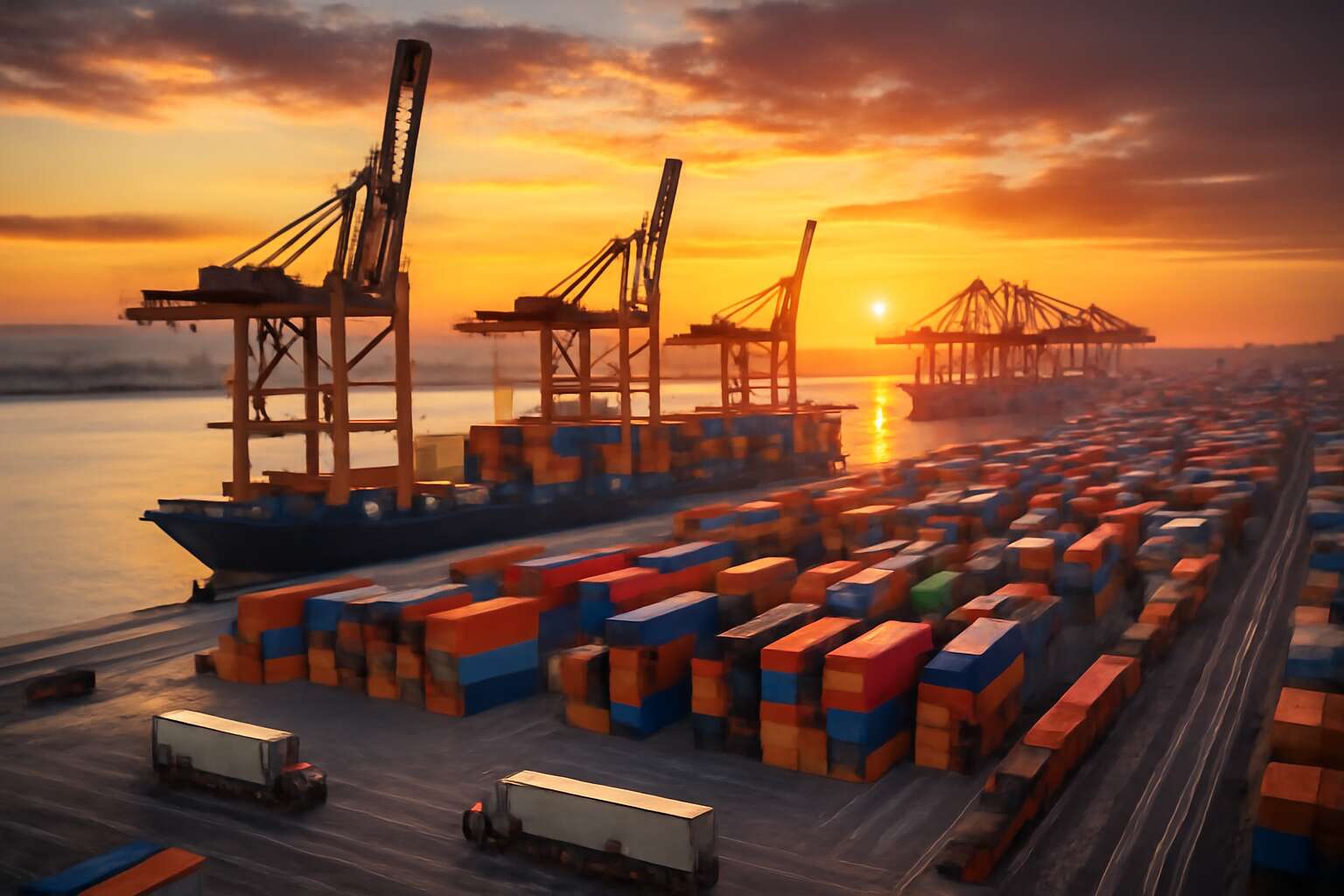
In the heart of the country, the freight transport in south africa hums through vineyards, mining corridors, and the long, dust-silver stretches of rural roads. A veteran haulier once said, “The freight network is the heartbeat of the economy.” The scene evolves with cleaner fleets, smarter terminals, and renewed rail links that ease the burden on heavy wheels.
Three forces shape the market today:
- Cross-border corridors and port capacity nudging efficiency higher
- Digital platforms offering real-time visibility and fewer blind corners
- Safety, skills, and rural resilience stretching the network’s reach
Across every mile, the journey remains a human story—of farmers, truckers, and shippers threading hope through logistics, keeping shelves stocked and communities connected.
Modes of freight transport in South Africa
“The highway is the working clock of our economy,” a veteran haulier once said, and freight transport in south africa keeps shelves stocked and communities linked through every mile. The landscape supports a spectrum of modes that flex with demand and terrain.
Key modes shaping the freight landscape include:
- Road freight, delivering regional hauls with speed and adaptability that turn rural routes into living arteries.
- Rail freight, a bulk backbone moving tonnage from inland to port cities, quietly extending reach.
- Coastal shipping, threading the coastline and hinterland via major ports like Durban and Cape Town.
- Air freight, the swift whisper for perishables and urgent consignments across distant distances.
These modes form an intertwined chain that evolves with rails, ports, and digital visibility, sustaining the national supply chain.
Infrastructure and logistics hubs across South Africa
“The highway is the working clock of our economy!” a veteran haulier once said. Across South Africa, infrastructure and logistics hubs stitch distance into deliverable time, turning vast plains into near-neighborhood markets and back into shelves of plenty. I’ve watched these routes pulse with life, guiding communities and consignments alike.
- Johannesburg’s inland logistics corridor linking warehouses with intermodal hubs
- Durban port complex handling containers and bulk goods
- Cape Town and the Western Cape node serving coastal and regional flows
This mosaic of docks, yards, and flatbed lanes sustains a resilient system that moves with demand and weather, weaving together ports, inland hubs, and digital visibility for the freight transport in south africa ecosystem.
Regulation, compliance, and cost considerations for SA freight
Freight transport moves the wheels turning, and a single statistic underscores the scale: road freight dominates inland movement, weaving a network stretching from the Highveld to the coast. Regulation serves as the quiet conductor, shaping licenses, permits, and safety obligations that govern every turn of the wheel. In today’s landscape, freight transport in south africa remains a backbone of the economy.
Compliance is the quiet shield in this system, aligning costs with risk and reliability. Operators meet driver certification, vehicle roadworthiness, and cross-border rules under the SADC framework, while local permits shape routes and schedules. Digital visibility tightens the loop between consignor, carrier, and consignee.
Cost considerations shadow every decision in the freight sector.
- Fuel and energy costs, including levies and taxes
- Toll charges, road user charges, and axle penalties
- Insurance, maintenance, and compliance admin

0 Comments