
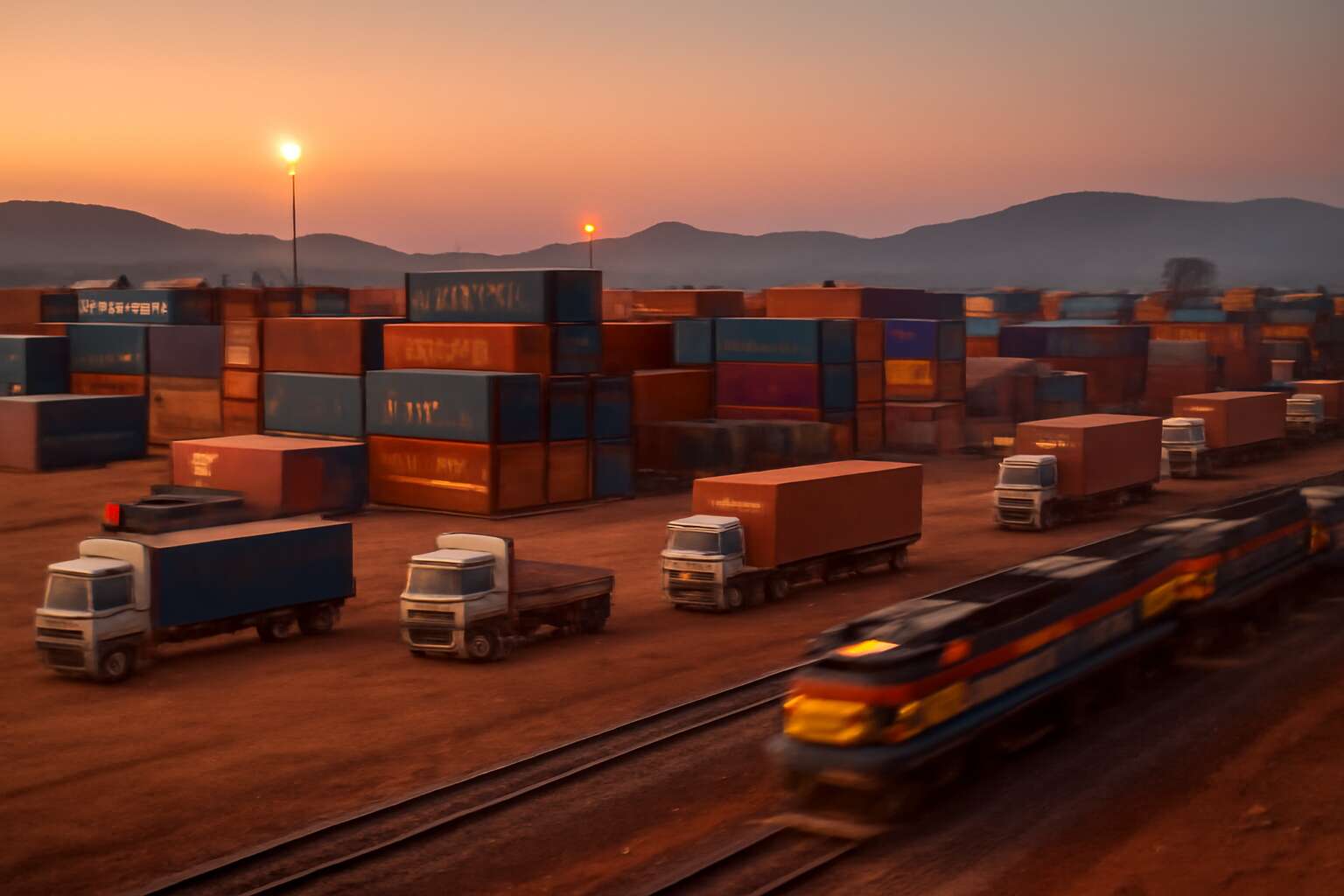
Freight transport landscape in Ethiopia
Key players in Ethiopian freight transport
Across Ethiopia’s growing trade lanes, freight transport in ethiopia feels like a living pulse—bright with possibility. “Connectivity is the new currency of the Ethiopian economy,” a veteran logistics executive told me, and that spark travels with every mile.
From asphalt arteries around Addis Ababa to the Djibouti corridor’s revived rails and the rise of new dry ports, the landscape shifts as public and private partners co-create efficiency. For readers in South Africa, parallels with regional logistics are striking.
- Ethiopian Airlines Cargo, linking air freight to regional markets
- Ethiopian Shipping and Logistics Services Enterprise (ESLSE), the sediment of state-led trade
- DHL Global Forwarding, moving goods through Ethiopian corridors
- Maersk and other international carriers weaving supply chains via Djibouti
- Local forwarders and integrators orchestrating last-mile distribution
In this evolving stage, freight transport in ethiopia becomes a canvas where logistics and aspiration merge, and each terminal feels like a doorway to tomorrow!
Current infrastructure and routes
Across Ethiopia, freight corridors pulse with the late-afternoon heat of possibility. I watch the road network unfurl like a living map, each turn a potential, each mile a chorus of progress. “Connectivity is the new currency of the Ethiopian economy,” a veteran logistics executive told me, and that currency circles every depot with renewed bravura.
Current infrastructure threads together Addis Ababa’s asphalt arteries, the Djibouti corridor’s revived rails, and a rising constellation of dry ports along the route. This is freight transport in ethiopia, a living phrase that joins air, rail, and road in a choreography of efficiency. For readers in South Africa, the resonance with regional logistics is immediate.
- Addis Ababa–Djibouti standard-gauge railway corridor
- Modjo and Dire Dawa dry ports along the corridor
- Road corridors linking Addis Ababa to Dire Dawa and Moyale
As these lines extend, the air of possibility grows and trade finds a more natural pace.
Regulatory environment and policy framework
“Rules move faster than trains,” a policy advisor once said, and that sentiment threads through the regulatory scaffolding around freight transport in ethiopia. In this reform-driven phase, licensing, clearance times, and safety standards are braided into a predictable rhythm, turning policy into a practical map for cross-border trade—one that resonates with South African partners watching the corridors tighten with purpose.
At the heart of the regulatory environment lies a push toward digitalization and transparent procedures. Agencies collaborate to streamline border crossings, licensing, and vehicle compliance so freight moves with clarity, not ambiguity. Key pillars include:
- Digital customs and a single-window system
- Harmonized transit procedures with neighbours
- Transparent licensing and vehicle standards
Beyond borders, the policy framework seeks regional alignment, echoing AfCFTA and COMESA standards. This coherence makes freight transport in ethiopia feel less distant and more connected to Southern Africa’s corridors.
Domestic vs cross-border freight dynamics
In Ethiopia, the freight transport in ethiopia landscape is a study in contrasts—dense domestic corridors that move goods to industry hubs, and long cross-border routes that stitch the region together. Domestic freight fleets shuttle between Addis Ababa and industrial zones, keeping shelves stocked and factories humming. Cross-border freight, meanwhile, navigates a patchwork of customs regimes and multi-country transit lanes that stretch toward Djibouti and Sudan.
Two dynamics define the scene:
- Domestic freight relies on busy highway corridors, quick turnarounds, and warehouse capacity near major towns.
- Cross-border freight depends on harmonized procedures, reliable border posts, and steady links to Djibouti and Sudan.
- Infrastructure upgrades and digital processes are slowly turning complex clearance into a smoother rhythm.
As digitization accelerates, cross-border handoffs become quicker and more predictable, reshaping how Southern African partners view these corridors.
Modes of freight transport in Ethiopia
Road transport: trucks, freight corridors, and bottlenecks
Trucks never sleep along Ethiopia’s freight arteries. In the world of freight transport in ethiopia, road transport remains the backbone, with trucks moving heavy loads across varied terrain and through tight industrial corridors. This mode handles the last mile and urgent consignments that other modes can’t match.
Freight corridors such as Addis Ababa–Djibouti and Addis Ababa–Dire Dawa connect the heart of the country to sea outlets, shaping how goods move toward regional markets. For readers in South Africa, these routes mirror broader efforts to streamline cross-border flows and cut transit times.
Bottlenecks include border delays, road quality swings, limited night travel, and rising fuel costs that push up transit times and operating expenses.
- Addis Ababa–Djibouti and Addis Ababa–Dire Dawa corridors and their constraints
- Truck availability, maintenance, and fuel costs
- Border crossing procedures and cross-border coordination
Rail freight development and challenges
Rail freight is a growing piece of freight transport in ethiopia, offering lower per-ton-mile costs and better emissions performance for long hauls. The Addis Ababa–Djibouti corridor demonstrates rail’s potential to move goods from the capital to a sea outlet, easing cross-border logistics. Yet the network remains a minority share of total freight and faces a long road to full capacity, with capital constraints and maintenance backlogs slowing expansion.
- Limited rolling stock and aging locomotives
- Maintenance backlogs and limited yard capacity
- Single-track bottlenecks and scheduling challenges
- Cross-border interoperability and tariff alignment
- Financing gaps and policy coordination
Progress hinges on sustained investment and clearer regulatory frameworks to integrate rail with road networks.
Air freight for time-sensitive goods
Time is money in freight, and air freight in Ethiopia proves it every time a clock-edge cargo needs to move. While ground networks stretch across the highlands, air freight delivers time-sensitive goods—healthcare vaccines, spares, and marketing samples—in hours rather than days. In the wider picture of freight transport in ethiopia, aviation remains a nimble option for when speed trumps price, keeping supply chains resilient even when road bottlenecks bite.
Here’s how air freight lines up for speed-conscious shippers:
- Rapid transit for perishables and medicines
- Access to international hubs via Addis Ababa and Djibouti networks
- Higher cost but reliable scheduling and tracking
River and port facilities and potential
Across the Horn, a striking stat glows: river and port corridors can cut bulk transit times by up to 40% in the rainy season, unveiling faster routes for freight. In the thread of freight transport in ethiopia, rivers hint at inland passages, while Djibouti and Berbera offer sea access that ties Ethiopian markets to global currents. For South Africa’s logistics professionals, these cross-border routes widen the regional map.
Rivers like the Awash and Omo carry bulk consignments when waters are generous, but navigation is seasonal and shallow. With selective dredging, bank protection, and sturdy feeder networks, inland waterways can strengthen resilience alongside road and rail.
Key gateway ports—Djibouti’s Doraleh and Berbera—anchor freight transport in ethiopia to world markets. Multimodal corridors from these hubs compress bottlenecks and create smoother supply flows, essential for diversified procurement cycles.
- Bulk handling on inland water routes
- Seasonal resilience through river corridors
- Expanded access to regional hubs
Logistics and supply chain considerations
Customs, documentation, and trade facilitation
Time is the true cargo in freight transport in ethiopia, where a single stamp can decide whether goods linger in a customs shed or glide to market. In my experience, modern reforms—digital documentation, a one-window clearance system, and risk-based inspections—turn borders into bridges. For South African shippers eyeing Ethiopian routes, clarity in procedure matters as much as vessel capacity. The music of trade depends on where paperwork ends and physical movement begins, a choreography of compliance, speed, and trust.
To navigate the maze, consider these essentials:
- Accurate invoices and harmonized HS codes
- Electronic cargo manifests and digital signatures
- Timely permits and consistent invoicing alignment
When these threads tighten, the chain breathes easier.
Warehousing and cold chain capabilities
Warehousing is the quiet engine of freight transport in ethiopia. Well-located hubs near dry ports cut journey time and spoilage. “Time is money,” says a veteran warehouse manager, and faster putaways equal faster deliveries.
Capacity must match seasonality. To build resilience, focus on:
- Strategic site near freight corridors and dry ports
- Cold chain capability: +2 to +8 C storage, with blast-freezing
- Real-time visibility: WMS, barcoding, GPS-linked inventory
Beyond storage, scalable warehousing shortens cross-border cycles. For South African shippers, reliable capacity lowers dwell time and improves margin in routes toward Addis Ababa and Djibouti.
Freight cost drivers and pricing models
A single late delivery can erase weeks of savings. In freight transport in ethiopia, pricing is less a fixed number and more a living map of risk, service level, and trust. A steady rate sheet becomes a promise to sailors and shippers alike: reliability matters as much as the rate quoted.
- Fuel and energy surcharges driven by global markets and local consumption patterns
- Tolls, road usage charges, and bridge/port access fees that punctuate every cross-region move
- Customs handling, documentation, and terminal handling charges that accumulate at borders and hubs
- Insurance, currency fluctuations, and contingency coverage for cargo value and transit risk
Pricing models range from fixed monthly rates to flexible, rate-card driven structures and KPI-linked incentives. Within this ecosystem, service levels, dwell time management, and visibility technology help tighten margins without sacrificing reliability, turning complexity into predictable cost curves for shippers in South Africa and beyond.
Risk management and security in freight transit
Security is the unsung navigator of every shipment in the Ethiopian corridor. In freight transport in ethiopia, a single lapse can reroute weeks of planning—risk mapping becomes second nature. Transit is a moving ecosystem where visibility, vigilance, and trust co-author outcomes.
- Theft and tampering risk along routes
- Border delays and document integrity
- Tracking data integrity and cyber threats
Ultimately, the strategy for freight transport in ethiopia hinges on relationships, insurance, and contingency planning. For South African importers, this means choosing partners who blend local know-how with global rigor—and who see risk as a guiding compass rather than an obstacle!
Growth opportunities and future trends
Investment projects and major rail and road expansions
A corridor renaissance is quietly reshaping East Africa, and the numbers are enough to turn heads. Analysts forecast double-digit growth in freight volumes over the next five years, and I suspect the ledger will smile on those who read the signals—freight transport in ethiopia reads like a regional orchestra, with harmonies of rails, roads and dry ports ready to play in concert.
Growth opportunities hinge on targeted investments and scalable corridors. Investment projects and major rail and road expansions to watch include:
- Continued expansion of the Ethio-Djibouti standard gauge railway to boost container throughput.
- Upgrades to key dry ports and logistics parks, including Modjo and Nekemte, to accelerate customs clearance and storage capacity.
- Road corridor rehabilitation linking Addis Ababa with major cross-border routes to Kenya and Sudan, easing bottlenecks and improving transit times.
These moves promise resilience, lower per-unit costs, and a more predictable supply chain for regional trade partners.
Public-private partnerships and financing models
Momentum in freight grows across corridors, and the numbers are turning heads. Analysts forecast double-digit growth in freight volumes over the next five years, a signal of deeper integration with regional supply chains. The growth opportunities hinge on public-private partnerships and financing models turning ambitious plans into operational assets for freight transport in ethiopia.
- Public-private partnerships and concession frameworks
- Blended finance with development banks and export credit agencies
- Asset-backed structures using logistics parks and revenue streams
To mobilize these opportunities, the edge lies in well-structured financing models that blend risk and reward. These levers can speed procurement, stabilize tariffs, and unlock export corridors that regional buyers in South Africa watch closely as the corridor renaissance unfolds.
Technology and digital logistics (TMS, GPS, tracking)
Across Africa’s evolving freight corridors, digital visibility has cut delivery times by up to 20% in pilot routes, demonstrating how data-driven lanes move goods faster. The growth trajectory is steep, and freight transport in ethiopia sits at the threshold of a tech-enabled leap that blends efficiency with resilience.
- Real-time tracking through GPS and telematics
- Integrated Transport Management Systems (TMS) connecting shippers, carriers, and warehouses
- Digital documentation, e-invoicing, and automated customs checks
As omnichannel demand grows, cloud-based platforms, analytics, and IoT sensors will illuminate every node along the route, from inland hubs to ports. For South Africa’s market, this means smoother cross-border flows, more predictable tariffs, and broader access to regional supply chains showing why the corridor renaissance matters!
Sustainability and environmental considerations in freight
Growth is not a rumor; it’s momentum. For freight transport in ethiopia, the coming decade promises a tech-enabled leap—real-time visibility, smarter routing, and modular warehousing that trims drag and boosts reliability. In a region hungry for faster cross-border flows, Ethiopian corridors can become the backbone of a faster, more resilient Southern Africa supply chain.
Key growth opportunities include:
- Rail-first corridors linking inland hubs to ports
- Electric and hybrid fleets reducing fuel costs
- Digital documentation and automated customs to cut delays
Future trends in sustainability and environmental considerations push freight forward with carbon-conscious discipline: decarbonization targets, energy-efficient fleets, solar-powered warehousing, and optimized modal splits that favor rail and shorter road legs. For South African readers, these shifts ripple across borders, delivering quieter cities, cleaner air, and more predictable logistics across regional corridors.
Impact of regional integration on freight
A bold forecast: regional trade lanes could cut delivery times by up to 30% in the next decade. For freight transport in ethiopia, that momentum translates into speed, reliability, and unexpected pockets of profit across corridors that connect landlocked markets to open seas.
Growth opportunities will lean on softer infrastructure: regional harmonization, digital credence, and financing that rewards efficiency.
- Cross-border logistic hubs near inland railheads
- Modular warehousing with quick-assembly capabilities
- Green finance tied to decarbonization milestones
Future trends backed by regional integration: predictable regulations, shared data standards, and joint risk management reduce friction and unlock resilience across Southern Africa supply chains. For South African readers, these shifts translate into quieter ports, steadier inventories, and a more coherent cross-border rhythm.

0 Comments