
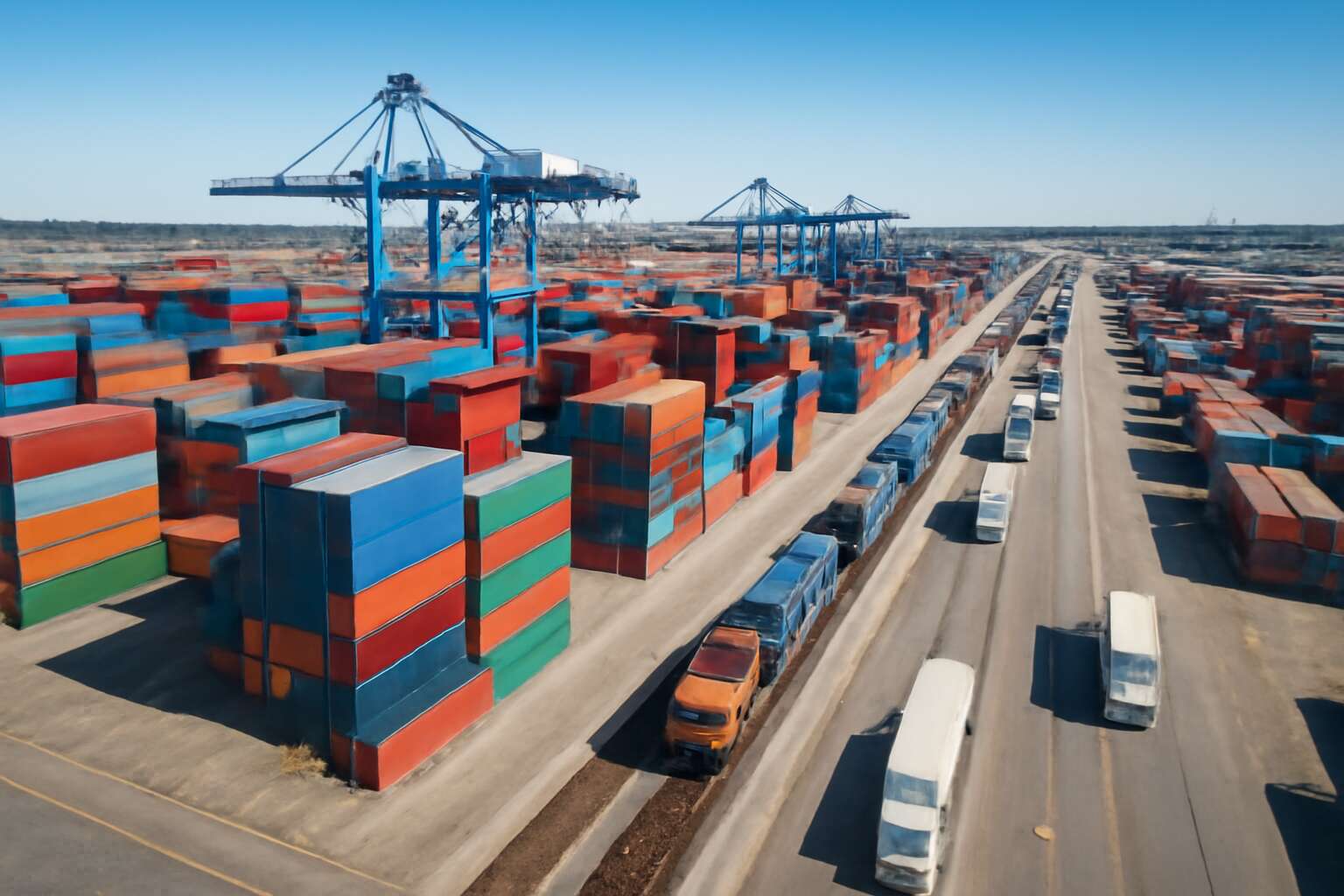
US Freight Transport Landscape and Market Dynamics
Across the freight transport usa landscape, the rhythm of trucks, rails, and ships keeps shelves full and markets moving. “Trade never sleeps,” a veteran dispatcher notes—yet the tempo hides a delicate balance of capacity, cost, and risk. For South African readers, the U.S. system reads like a masterclass in efficiency and contingency, where automation meets grit and timing matters.
Key market dynamics shaping the scene include:
- capacity pressures from e-commerce spikes
- intermodal expansion linking rail, road, and coastwise shipping
- digitalization and real-time visibility transforming decision-making
Beyond the numbers, resilience and adaptability steer the narrative. Vast corridors, congested ports, and the push for sustainable fuels shape investments and partnerships, a dynamic South Africa–inspired import-export dialogue that never truly rests.
Freight Modes and Intermodal Solutions in the USA
Across the freight transport usa landscape, the tempo is a masterclass in efficiency and contingency. “Trade never sleeps,” a veteran dispatcher reminds us, and the line lands with the gravity of a well-timed dock bell. For South Africa, the U.S. approach reads like a syllabus in multimodal discipline, where automation meets grit and reliable timing governs every leg of the journey. I’ve watched schedules bend to the sun and still keep shelves full.
- Truck: flexible first- and last-mile coverage for urban corridors.
- Rail: long-haul efficiency with double-stack containers.
- Ocean/Coastwise: coastwise shipping tying global trade to inland networks.
- Intermodal: container-on-flatcar and trailer-on-flatcar for door-to-door visibility.
In the grand ledger of freight, these modes work in concert—quietly teaching resilience and contingency to even distant markets like South Africa.
Regional Logistics Hubs and Connectivity
Regional logistics hubs are the orchestra’s brass, signaling tempo across the freight landscape. A striking stat: roughly 60% of freight moves through five major hubs, shaping schedules with the cadence of a dock bell. In the United States, this hub-centric choreography turns chaos into reliable throughput.
Connectivity radiates from coastal gateways and inland intermodal terminals, weaving rail, road, and sea into a single tapestry that keeps commerce humming.
- Coastal gateways: Los Angeles-Long Beach, New York-New Jersey
- Midwest intermodal yards: Chicago, Kansas City
- Southern hubs: Savannah, Charleston
Rail corridors and port-centric yards unlock speed from coast to hinterland, while automated terminals flatten delays and keep the line moving. This is the backbone behind freight transport usa, a phrase that informs dashboards and long-term planning.
For South Africa, the U.S. pattern offers a blueprint: resilient regional hubs, synchronized schedules, and real-time data translating into steadier supply lines and shelf-ready goods.
Regulatory Environment and Industry Trends in US Freight
Regulatory weather is the night wind shaping every freight corridor in the United States. A veteran regulator once whispered, “Compliance is the infrastructure you never see, but must always trust.” Freight transport usa moves with measured gravity, governed by rules that bend schedules and fleets.
From hours-of-service to emissions whispers, the industry evolves under a tightening watch.
- Hours-of-service mandates and Electronic Logging Device requirements
- Port security, cargo integrity, and supply-chain risk management
- Environmental rules, emissions reporting, and fleet modernization
- Cybersecurity and data-sharing standards for intermodal networks
Trends tilt toward real-time visibility, AI-driven routing, and resilient networks. The shift rewards discipline with dependable throughput, even as markets murmur in the shadows. To South Africa readers watching from afar, freight transport usa stands at the crossroads of policy and practice.



0 Comments