
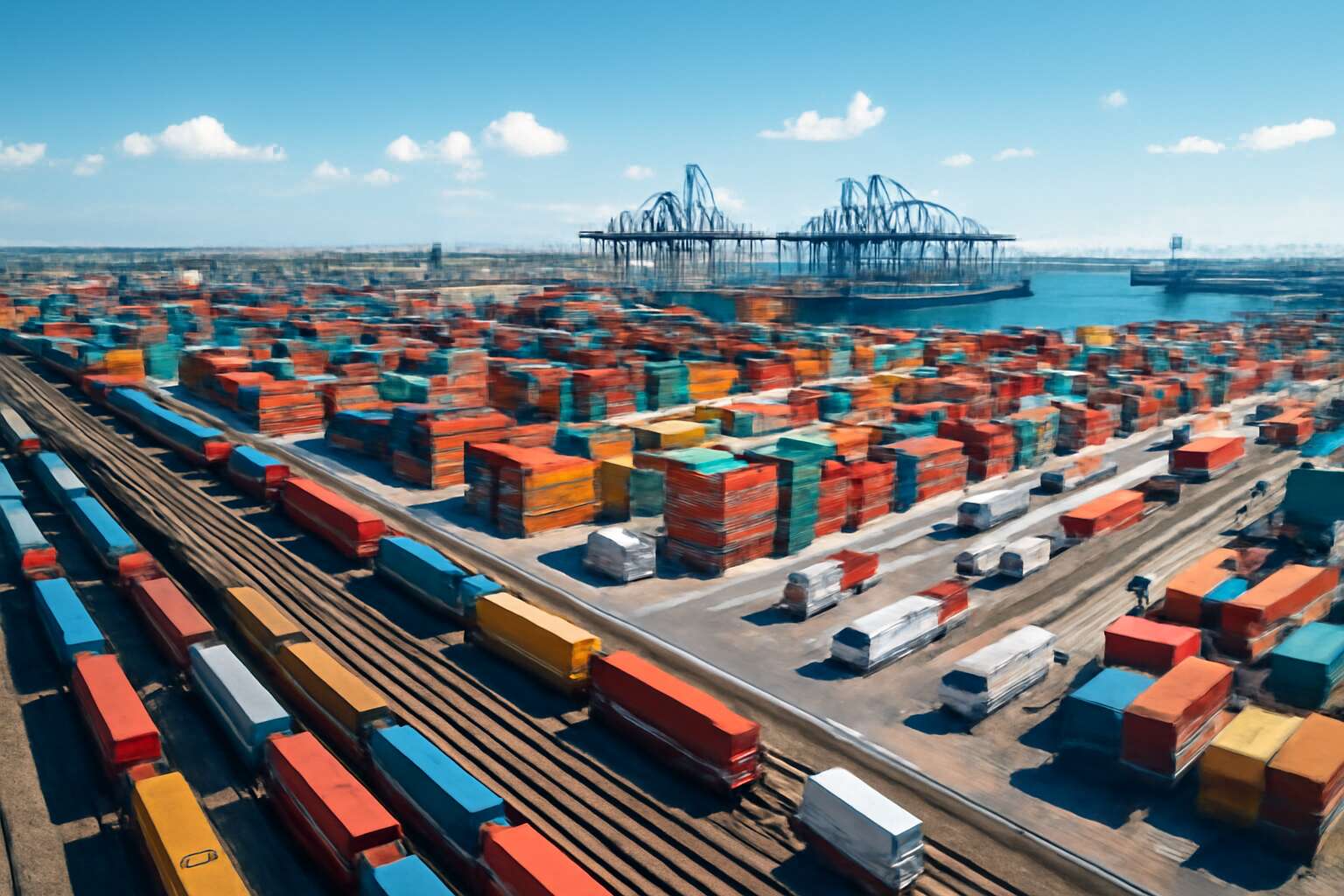
European freight transport landscape
Key players in European freight logistics
Across Europe, freight transport europe unfolds like a widening river of commerce—swift, disciplined, and inexhaustible. Road, rail, sea, and air weave a continental pulse that carries goods to markets and homes with uncanny precision. A formidable footprint—tonne-kilometres measured in trillions—powers cities, factories, and farms in a shared cadence. In this theatre, flexibility is currency, reliability is equity, and every route holds a story of cargo becoming opportunity. I witness it daily, and the movement feels almost lyrical!
Key players in European freight logistics shape that story, their networks stitching distant ports to inland hubs.
- DHL Global Forwarding
- Kuehne + Nagel
- DB Schenker
For South Africa, freight transport europe offers a robust route to resilience and growth.
Semi-modal mix: Road, Rail, Sea, and Air in Europe
Across Europe, trillions of tonne-kilometres pulse through a continent that never truly rests. In this theatre of freight transport europe, sunrise redraws routes and the hum of wheels becomes a metronome for progress. I walk the map with you, tracing road, rail, sea, and air, each thread bending toward markets, homes, and the cargo that becomes opportunity!
Road, rail, sea, and air compose a flexible rhythm, a semi-modal mix that turns pressure into precision. The corridors that stitch towns to ports are a living loom, weaving resilience into daily timetables.
- Road: the nimble first leg—door to door, weaving inland networks.
- Rail: the steady spine for long-haul transit across borders.
- Sea: the scale engine, linking ports with continental hinterlands.
- Air: the urgent heartbeat for time-sensitive goods and perishables.
From a South African vantage, Europe’s freight networks reveal resilience—diversified routes, cross-border clarity, and a shared cadence with global supply chains. The movement writes new lines in the ledger of commerce.
Major freight corridors and hubs across the continent
Across Europe, freight transport europe carries billions of tonnes of cargo, weaving a living fabric that keeps cities fed and factories humming. From bustling ports to inland depots, the network feels like a grand compass, guiding markets toward new opportunities while absorbing shocks. For South African readers, the cadence of these routes offers reliability and choice.
Major corridors and hubs shape this landscape, turning geography into opportunity:
- Rhine–Danube Corridor: from the Rhine’s western gateways to the Danube’s eastern crossroads, linking Northern Europe to the Balkans
- Rhine–Alpine Corridor: from Rotterdam and Basel toward Italy’s ports and hinterlands
- North Sea–Baltic Corridor: connecting northern ports with Central Europe along a sea-to-rail spine
- Mediterranean Corridor: threading Iberia, Italy, and the southern peninsula toward the Levant
- Baltic–Adriatic Corridor: stitching the Baltic region to the Adriatic through Central Europe
Regulatory environment influencing European freight
Regulation is the quiet engine behind every load. Across borders, rules keep schedules honest and costs predictable. In the realm of freight transport europe, standards travel with the cargo and audits stay consistent!
Emissions, safety, and digital accountability shape every decision. Urban zones push for cleaner terminals, nudging operators toward smarter networks. The regulatory environment for freight in Europe rewards transparency and reliable data, turning compliance into a quiet competitive edge.
- Harmonised cross-border rules and the single market
- Driver hours, cabotage, and safety compliance
- Digital transport documents and data sharing
- Emissions standards and clean-fuel infrastructure
For readers in South Africa eyeing Europe-bound trade, the regulatory fabric promises reliability, predictability, and a clear path to multimodal efficiency.
Sustainability and decarbonization trends in transport networks
‘Decarbonization is the new reliability,’ a European logistics leader told me, and the rails seemed to nod in quiet agreement. In freight transport europe, sustainability is the quiet compass guiding schedules, costs, and cross-border trust.
<p cleaner terminals, smarter networks, and greener fleets are not slogans but operating realities. Electrified corridors, LNG and hydrogen bunkering, and digitalized data flows are shaping how goods move from port to hinterland.
- Modal shifts toward rail and inland waterways
- Clean fuels and renewable energy at terminals
- Digital tools for precise emissions tracking
For South Africa-bound trade, these shifts promise reliability, predictability, and multimodal zest in a European freight landscape that values transparency as much as speed.
Regulations, Compliance, and Trade Facilitation
EU logistics regulations and their impact on shippers
Regulations aren’t red tape—they’re the rails that keep freight transport europe moving. For shippers in South Africa eyeing the EU market, the rulebook has teeth but also clarity: common standards, digital documents, and predictable rules shorten the guessing game and cut holdups in transit.
Compliance and Trade Facilitation reshape margins and timelines by pushing digital tools, risk-based checks, and cross-border data sharing into the mainstream.
- Digital customs declarations and a Single Window to speed clearance
- Authorized Economic Operator status for trusted traders
- Risk-based inspections and simplified transit procedures
EU trade facilitation aims to cut border delays, making freight transport europe more predictable for everyone—from exporters to carriers. South African shippers benefit when partners align data, ensure documentation accuracy, and anticipate shifts in regimes.
Customs procedures and border controls within Europe
Across Europe, the regulatory landscape works like a careful timetable rather than a weight on the wheels. Digital customs declarations and a Single Window can cut clearance times by a substantial margin, reshaping the pace of freight transport europe. Common standards and clear data rules turn cross-border moves into predictable, auditable journeys, even as authorities tighten risk-based checks. The Authorized Economic Operator program rewards trusted traders with streamlined procedures, while harmonized documentation reduces last-minute surprises at the border!
- Digital customs declarations with a Single Window to speed clearance
- Authorized Economic Operator status for trusted traders
- Risk-based inspections and simplified transit procedures
South African shippers notice the effect when partners align data, maintain accurate documents, and anticipate regime shifts. The result is calmer borders, steadier transit windows, and a clearer margin picture as freight transport europe grows more predictable.
Cross-border VAT, duties, and taxation simplification
Tax clarity isn’t glamorous, but it runs the wheels! In freight transport europe, cross-border VAT regimes are moving toward harmonization and digital invoicing, cutting confusion at the border and clarifying cash flow. For South African shippers, aligned data and accurate documentation turn taxation into a predictable backdrop rather than a surprise. Clear rules and auditable records keep shipments moving and reduce the chance of delays caused by paperwork glitches.
Three facets of cross-border taxation simplification stand out:
- Harmonized VAT rules that minimize duplicate charges
- Transparent duties calculations with predictable timing
- Unified tax documentation that speeds border checks
These shifts turn taxation into a stable enabler rather than a friction point.
Digitalization and e-invoicing in freight operations
A single invoice error can halt a convoy, a stark reminder that in freight transport europe, regulations are the scaffolding that holds every shipment in motion today!
Digitalization and e-invoicing reshape how rules are met, turning compliance into a streamlined instinct. In cross-border logistics, standardized data, machine-readable documents, and instant sharing collapse processing delays.
- e-invoicing and harmonized data formats for cross-border flows
- digital customs declarations and real-time status updates
- auditable, tamper-evident records that speed audits
South African shippers will sense the shift: clear, auditable records and automated checks translate into smoother border interactions and fewer hold-ups. The digital spine of trade calls for precision, trust, and a relentless focus on compliant data.
Modes of Transport and Infrastructure
Road freight in Europe: challenges and opportunities
Congestion costs Europe’s economy more than €100 billion each year, a brutal reminder that speed must partner with resilience in freight transport europe.
Road freight in Europe remains the backbone of continental trade, yet it wrestles with aging infrastructure, bottlenecks near major urban centers, and persistent driver shortages. Border patience wears thin at some crossings, while tolling and route restrictions complicate planning.
- Urban delivery constraints and access rules
- Rising tolls, fuel costs, and maintenance charges
- Variations in driving hours and rest requirements across borders
Opportunities abound where networks are stitched together with data and investment: smarter routing, reliable handoffs between road and rail or sea, and cleaner powertrains as compliance pace accelerates.
Rail freight networks and intermodal solutions
Rail freight networks thread a quiet, relentless arc through Europe, where timetables become weather vanes and wagons carry the continent’s trust. freight transport europe thrives on this iron backbone, each intermodal move a stanza of efficiency—lower emissions, higher predictability, and a cadence that outpaces urban chokepoints when roads buckle under congestion.
From inland terminals to cross-border corridors, infrastructure harmonizes with logistics tempo. For South African shippers, the payoff is practical: standardized gauges, interoperable data, and electrified routes that curtail fuel burn and smooth handoffs to sea and road, turning long hauls into legible geography.
- Intermodal hubs enable seamless handoffs
- Electrified corridors reduce diesel dependence
- Standardized data exchange improves visibility
- Densified rail capacity mitigates chokepoints
Rail, patient yet potent, remains a lantern for European commerce, a thread that could entwine southern trade routes with the continent’s modern rhythm!
Maritime and inland waterways: ports, canals, and river corridors
Maritime routes move the bulk of Europe’s trade, and ports are the turning points where global cargo meets domestic networks. A single vessel can rebalance schedules and redraw capacity with quiet efficiency.
Across maritime and inland waterways—ports, canals, and river corridors—the infrastructure underpins freight transport europe. Deep-water hubs along the Atlantic and North Sea feed the continent, while canal routes slice through inland geographies. For South African shippers, this means predictable handoffs to road and rail and smoother access to European markets, powered by waterborne reliability.
- Deep-water ports with efficient berths
- Canal corridors that bypass congested routes
- River barge networks for stable, low-cost capacity
These channels form a continuous, adaptable flow that underpins European commerce.
Technology, Sustainability, and Future Trends
Digital platforms and freight marketplaces
The pulse of freight transport europe is shifting from paper trails to real-time data, and momentum is building fast!
AI-powered routing, predictive maintenance alerts, and API-native integrations connect shippers, carriers, and brokers in a seamless chain. A recent study suggests digital freight platforms cut lead times and reduce empty miles, turning complexity into clarity.
Sustainability is no longer a checkbox; it is the backbone of modern networks. Digital platforms enable tighter load consolidation, intelligent mode selection, and carbon accounting that translates into real choices.
- Route optimization to minimize empty miles
- Load consolidation to increase payload per trip
- Transparent carbon tracking across the chain
I see future trends in digital platforms and freight marketplaces promise deeper interoperability, cross-border visibility, and trusted data exchange. As networks mature, suppliers and customers in South Africa engaging with Europe will find more fluid partnerships and fewer bottlenecks.
Automation, IoT, and real-time tracking
Real-time visibility now drives roughly 70% of freight decisions—no more chasing data in dusty ledgers. In freight transport europe, technology braids IoT sensors, AI-powered routing, and API-native integrations into a seamless chain, turning delays into dashboard alerts and forecasts you can trust. The result: faster decision cycles and fewer surprises on the highway!
- Payload maximization through smart load stacking
- Energy-aware scheduling that trims idle kilometers
- Auditable carbon metrics guiding carrier selection
Sustainability is no longer a checkbox; it’s the backbone. Enable tighter load consolidation, smarter mode selection, and carbon accounting that informs procurement.
Future trends favor automation, IoT, and real-time tracking, with deeper interoperability and cross-border visibility. I’ve seen this dynamic transform teams—as networks mature, South Africa and Europe will enjoy smoother data exchange and fewer bottlenecks—no more playing telephone with shipments.
Alternative fuels and decarbonization strategies
In a market where real-time visibility guides 70% of freight decisions, data is the compass, not dust. Technology threads IoT sensors, AI-powered routing, and API-native systems into a single, responsive chain. For freight transport europe, this fusion turns delays into dashboard alerts and forecasts you can trust.
Sustainability is the backbone, not a checkbox. Smarter load consolidation, mode selection, and auditable carbon metrics shape procurement choices. In a continent sprinting toward cleaner logistics, every kilometer counted is both a moral imperative and a commercial edge. For South African readers, that logic travels across borders.
Future trends lean into automation, IoT, and interoperability, with decarbonization woven into decisions. Here are routes in alternative fuels and decarbonization that Europe can scale:
- Hydrogen fuel cells for regional haul and ports
- Electric fleets for urban corridors with rapid charging
- Sustainable aviation fuels and advanced biofuels for cross-channel moves
- Synthetic fuels (e-fuels) for hard-to-electrify routes
Last-mile delivery innovations in Europe
Technology acts as a compass in freight transport europe, where real-time visibility guides 70% of decisions. IoT sensors, AI routing, and API-driven networks converge into a single, responsive chain, turning delays into dashboard alerts and trusted forecasts. For South African readers, that clarity travels borders.
Sustainability is the backbone, not a checkbox. Smarter load consolidation, mode selection, and auditable carbon metrics shape procurement choices. In Europe, last-mile thinking grows with tangible steps:
- electric last-mile fleets with rapid charging for urban corridors
- smart micro-fulfillment hubs near dense populations
- cargo bikes and lightweight drones for low-emission last hops
For South African readers, that logic travels across borders.
Future trends lean into automation, IoT, and interoperability, with decarbonization woven into decisions. In this space, hydrogen fuels regional hauls, urban EVs accelerate cities, and sustainable fuels power cross-channel routes.
Resilience, risk management, and supply chain visibility
In freight transport europe, real-time visibility guides roughly 70% of decisions, turning data streams into clear signals. Interoperable platforms and secure APIs knit shippers, carriers, and authorities into a single, responsive ecosystem. For South African readers, that clarity crosses borders with ease.
- auditable carbon metrics tied to procurement decisions
- transparent cross-border sustainability data for partners
Sustainability isn’t a checkbox—it’s a guiding light shaping procurement and routing. The metrics and data flows that matter are auditable and partner-visible, translating sustainability into measurable performance across corridors.
Future trends emphasize resilience, risk management, and supply chain visibility. Automated planning, open data standards, and cross-border interoperability converge to build adaptable networks that weather disruptions. In this evolving landscape, freight transport europe remains a benchmark for responsible, transparent logistics across borders.
Emerging geopolitics and its impact on European freight
<pAcross freight transport europe, real-time visibility is no longer a luxury but a compass; roughly seven in ten decisions trace back to live data streams. Technology turns noise into signals, letting shippers, carriers, and authorities steer together with confidence. The result is a more humane, responsive network that seems almost prescient as patterns shift with geopolitics at the margins. For readers in South Africa, these cross-border signals resonate with SA–EU trade realities.
- Automated planning and AI-driven route optimization
- Open data standards and secure APIs for cross-border data sharing
- Interoperable platforms enabling seamless collaboration among shippers, carriers, and authorities
Sustainability infiltrates every choice; auditable carbon metrics tied to procurement decisions ensure greener routes are measurable. Transparent cross-border sustainability data for partners compounds accountability and trust, while interoperable platforms and secure APIs knit a cross-country ecosystem.
Looking ahead, emerging geopolitics will redraw corridors—energy transitions, sanctions regimes, and shifting alliances shaping where goods move and how quickly. Automation, open data standards, and cross-border interoperability converge to build adaptable networks that weather disturbances and sustain momentum across freight transport europe.



0 Comments